The Unrepeatable Cask: Single-Cask Bladnoch and the New British Collector
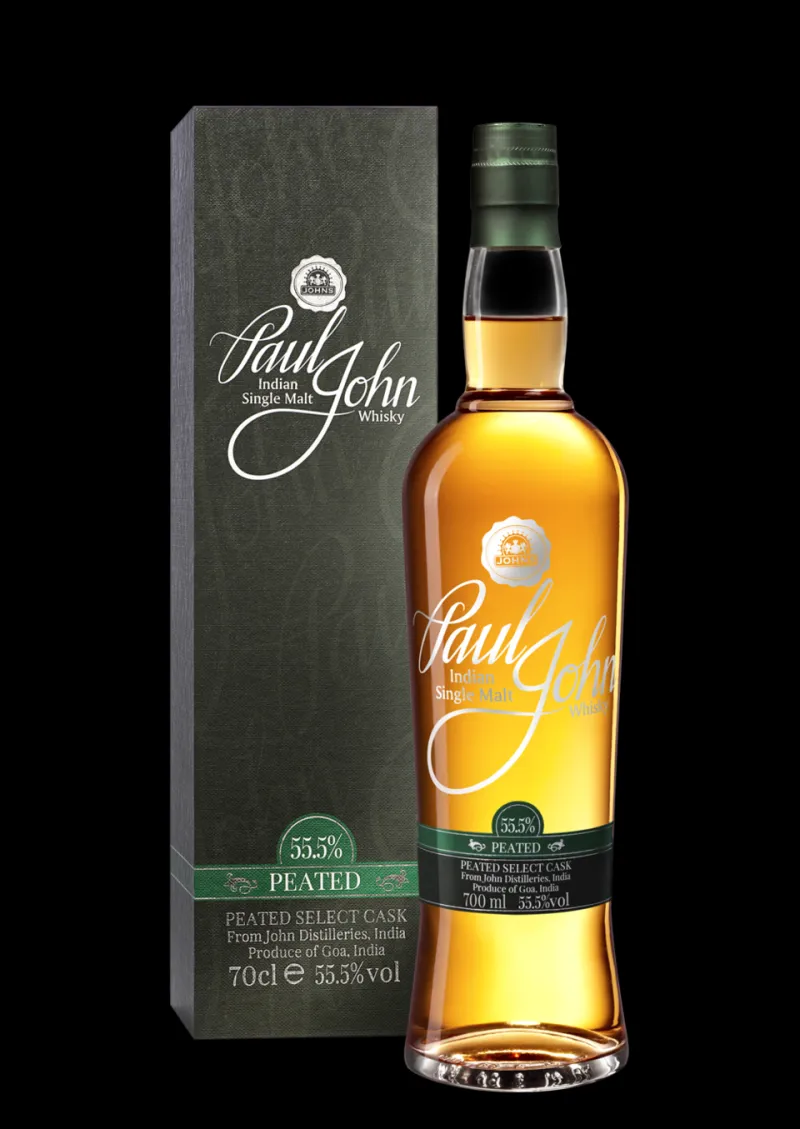
Photo: John Distilleries, CC BY-SA 4.0, via Wikimedia Commons
Collecting whisky has changed. The days when a collector might simply acquire every expression from a favoured distillery are giving way to a more particular pursuit: the search for the singular, the unrepeatable and the quietly scarce. In Britain, a growing number of enthusiasts are turning their attention to single-cask releases, where the contents of one cask are bottled without blending and without repetition. Among them, Bladnoch is attracting a distinct kind of interest.
The appeal is not difficult to understand. A single cask is a closed world. It has its own history, its own character and its own limits. Once the bottles are gone, that exact combination of spirit, wood, warehouse position and time cannot be recreated. For collectors weary of endless editions and interchangeable packaging, this is deeply attractive.
What Makes a Single Cask Different
Most whisky sold today is blended from many casks to achieve consistency. A single-cask release does the opposite. It presents one cask as it is, warts and all. The distiller may choose to bottle it at natural strength, or to reduce it slightly, but the essential character remains that of the individual cask.
That character is shaped by several forces. The spirit itself carries the distillery's signature — in Bladnoch's case, a Lowland suppleness, often with orchard fruit, malt and a gentle floral note. The wood adds its own layer: vanilla and spice from American oak, dried fruit and tannin from European oak, sweetness or savoury depth from previous contents such as bourbon, sherry or wine. The warehouse matters too. A cask near the roof matures differently from one in the cool, damp depths. Even the position within the warehouse can influence the final result.
Why Bladnoch Attracts Collectors
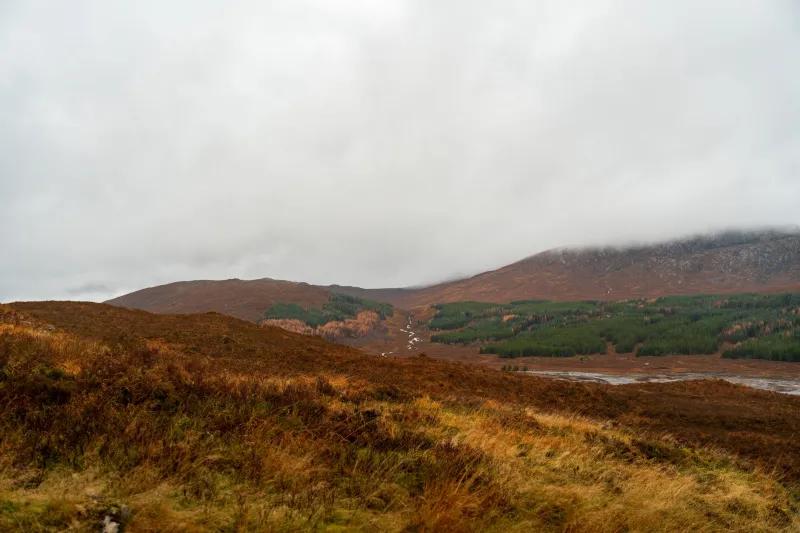
Bladnoch is Scotland's southernmost distillery, and its location is part of its charm. Galloway is not a fashionable whisky trail in the way that Speyside or Islay can be. It is quieter, greener and more agricultural. The distillery's scale is modest, which means that single-cask releases are naturally limited. There is no vast lake of stock from which to draw. When a cask is selected, it represents a genuine decision about what that particular expression should be.
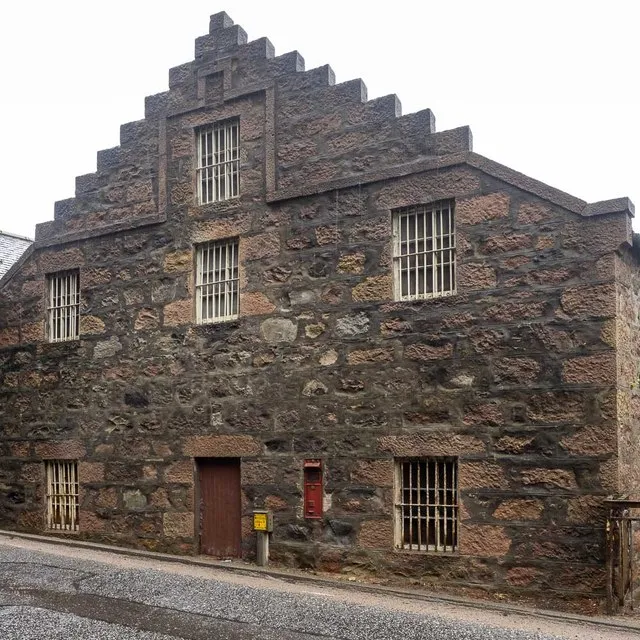
This scarcity is not manufactured. It arises from the practical realities of a small distillery with a long history. Bladnoch was founded in 1817 and has survived periods of silence and revival. Its casks carry that continuity. For collectors, the attraction is not merely rarity but provenance: the sense of owning a piece of a distillery that has endured without ever becoming grand.
The Art of Cask Selection
Cask selection at Bladnoch is a patient process. It begins with the spirit and the wood, but it ends with the nose and the palate. Samples are drawn, tasted and compared. The team looks for balance, character and a sense of completeness. A cask may be delicious in youth but fade with time; another may seem austere until it reaches its fifteenth or twentieth year. Judgement matters as much as data.
The collector's role is different. Most will not select a cask from the warehouse floor. Instead, they will encounter single-cask releases through the distillery, specialist retailers or auction. The pleasure lies in paying attention: noting the cask number, the distillation date, the cask type and the number of bottles. These details are not admin; they are the story of the bottle.
The Thrill of the Unrepeatable
There is a particular satisfaction in drinking a whisky that no one else can reproduce. It is not the same as owning something expensive. It is closer to owning a photograph of a day that will not come again. The bottle becomes a record of a specific moment in the distillery's life, shaped by weather, wood and the decisions of the people who made it.
For British collectors in 2026, this has become part of a broader shift in taste. There is less appetite for investing in sealed bottles as pure financial instruments, and more interest in whisky as a living, drinkable artefact. The best collections are not warehouses. They are libraries of experience, shared with friends and opened on occasions that deserve them.
Starting a Single-Cask Journey
The first step is education. Taste widely, read labels carefully and learn to distinguish between distillery character and cask influence. Attend tastings where single-cask expressions are poured alongside blended releases; the comparison is instructive.
The second step is relationships. Speak to the distillery, join its mailing list and ask about release schedules. Bladnoch's limited releases are often announced in advance, and existing customers are sometimes given priority. Specialist retailers can also be valuable guides, particularly those with a genuine interest in Lowland whisky.
The third step is patience. Single-cask whisky is not a fast market, and it should not be treated as one. Buy what you enjoy drinking. Store bottles upright, away from direct light and heat. Keep the packaging and documentation, not because they will guarantee a return, but because they complete the record.
At Bladnoch, we do not promise that every single cask will become a trophy. We do promise that each one is particular. In a world of endless repetition, that is increasingly valuable. The unrepeatable cask is not merely a collector's object. It is a reminder that whisky, at its best, is a conversation between time, place and attention — and that some conversations are worth having only once.