Cheese, Charcuterie and the Water of Life: Pairing Bladnoch at the British Table

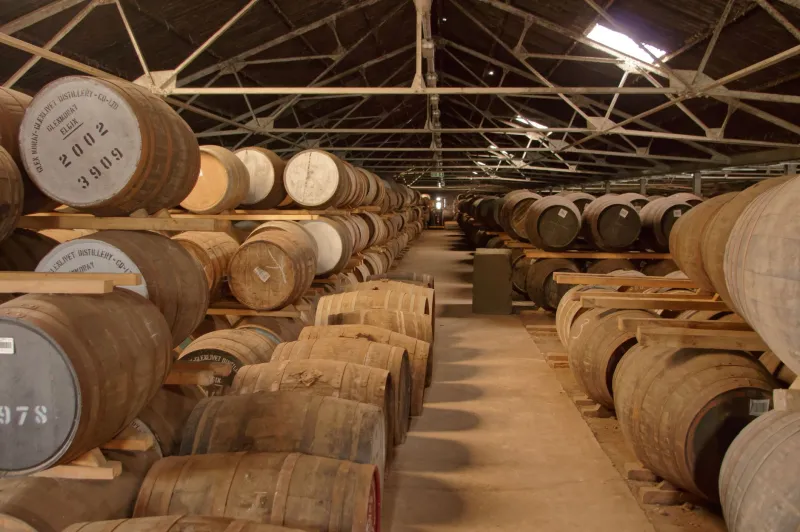
Photo: Bob Forrest, CC BY-SA 2.0, via Wikimedia Commons
Few British meals carry as much quiet authority as the ploughman's lunch. Bread, cheese, pickle and a little cured meat have long formed a modest but deeply satisfying tradition, one that speaks of pubs, kitchen tables and the honest pleasure of good ingredients. Yet the drink beside the plate has usually been beer, cider or, more recently, wine. In 2026, a growing number of British tables are making room for a different companion: single malt whisky.
At Bladnoch, Scotland's southernmost distillery, this shift feels natural. The Lowland character of our whisky — supple, aromatic and often softer than the heavily peated malts of the islands — makes it unusually suited to the savoury, salty and gently acidic flavours of a British cheese board. Whisky is not a substitute for wine here. It is a different instrument altogether, one that can lift the fat of a mature cheddar, cut through the richness of cured pork and echo the sweetness of an orchard chutney.
A Simple Framework for Pairing
The first principle is weight. A delicate whisky will disappear beside a powerful blue cheese, while a rich, sherry-forward dram can overwhelm a fresh curd. Match the intensity of the drink to the intensity of the food, then adjust for texture and salt.
The second principle is contrast. Salt asks for sweetness; fat asks for acidity or spice; creaminess asks for a clean, brisk finish. Bladnoch's bourbon-matured expressions tend to bring orchard fruit, vanilla and a gentle cereal sweetness, while sherry-matured releases add dried fruit, walnut and a little more depth. Neither needs to dominate. The aim is conversation, not conquest.
The third principle is order. Begin with the lightest cheese and the most delicate dram, then move towards stronger flavours. Water, bread and oatcakes are not filler; they are the punctuation that keeps the tasting clear.
Regional Pairings: A Journey Around Britain
The West Country
A mature West Country cheddar, firm and nutty with a faint tang, is one of the great British pairings for a sherry-forward Bladnoch. The whisky's dried-fruit notes meet the cheese's savoury depth, while its acidity refreshes the palate. A crumbly Lancashire or a young Caerphilly prefers a lighter, bourbon-matured dram, where vanilla and green apple can flatter the cheese's milky freshness.
The North and Midlands
Yorkshire's Swaledale and Wensleydale reward a clean, aromatic Bladnoch served neat or with a drop of water. Add a spoonful of damson chutney and the whisky's fruit character begins to sing. Further south, a Staffordshire oatcake with a little mature cheese and pickled onion is an unpretentious but effective companion to a flagship Lowland malt.
Wales and the Borders
Welsh cheeses such as Perl Las or a well-aged Caerphilly bring a pleasing mineral edge. With a blue cheese, choose a Bladnoch with a little more sweetness and body; the salt in the cheese will soften the alcohol and draw out the whisky's nutty notes. A spoonful of Welsh honey or a slice of apple is often all the extra ornament needed.
Scotland
Scottish cheeses are often milder than their southern cousins, but they are no less worthy. Dunlop, Caboc and a creamy crowdie all suit a gentle, unpeated Bladnoch. Add oatcakes, a little heather honey and a few toasted hazelnuts, and the table begins to feel distinctly northern: restrained, generous and quietly confident.
Cured Meats and Condiments
Charcuterie offers whisky a different kind of partner. A slice of Wiltshire ham, salt-baked and thinly cut, works beautifully with a bourbon-matured dram; the salt and the whisky's cereal sweetness form a natural alliance. Air-dried beef from the Yorkshire moors or Cumbrian fell-fed beef brings an earthy depth that can stand up to a sherry-matured Bladnoch. Suffolk salami, fennel-seeded and gently spiced, is excellent with a slightly richer expression, while a simple terrine or rillettes invites a softer, more aromatic pour.
Condiments should be chosen with care. Piccalilli's vinegar and mustard heat can flatter a whisky with a little spice, but too much vinegar will flatten the dram. Apple and ale chutney, damson cheese, quince paste and a good wholegrain mustard are safer companions. Sourdough, oatcakes and water biscuits provide texture without competing for attention.
Hosting a Bladnoch Board at Home
A successful tasting needs no theatre. Choose three cheeses and two cured meats, place them at room temperature and offer two or three Bladnoch expressions. Pour modest measures — 25ml is ample — and provide water at room temperature. Begin with the lightest combination, then move towards the stronger. Encourage guests to taste the cheese first, then the whisky, then both together. The difference is the point.
At Bladnoch, we have always believed that whisky belongs at the table, not behind glass. A ploughman's lunch, thoughtfully arranged and paired with Scotland's southernmost single malt, is one of the simplest and most rewarding ways to prove it.