The Mindful Dram: Reclaiming January Through Conscious Whisky Appreciation
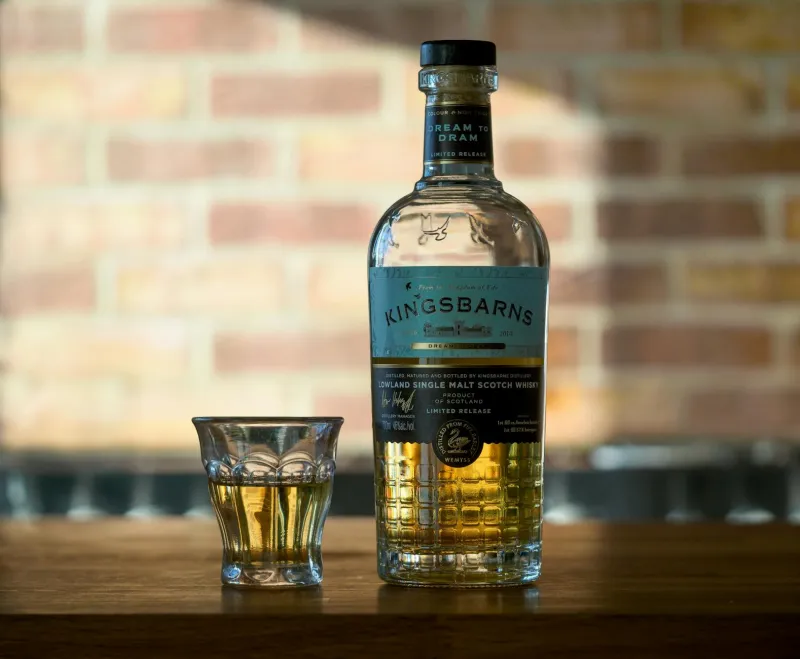
Challenging the January Orthodoxy
Every January, Britain collectively embraces the hair shirt. Gym memberships spike, juice cleanses proliferate, and alcohol becomes the villain in a morality play about excess and restraint. Yet this binary thinking—abstinence versus indulgence—fundamentally misses the point about what constitutes a truly mindful relationship with pleasure.
What if January's reset culture has it backwards? What if the path to meaningful change lies not in deprivation, but in learning to appreciate quality over quantity? Scotland's southernmost distillery offers a compelling case study in this alternative approach to conscious consumption.
The Philosophy of Enough
At Bladnoch, every drop represents two centuries of accumulated wisdom about patience, craftsmanship, and respect for natural processes. This is the antithesis of instant gratification culture. Where mass-market spirits prioritise volume and immediate impact, single malt whisky demands contemplation, appreciation, and above all, restraint.
Consider the ritual itself: the careful selection of glass, the gentle warming in cupped palms, the patient nosing that reveals layers of complexity. This is mindfulness in its purest form—complete presence in the moment, appreciation for craftsmanship, and respect for the journey that brought this liquid to your glass.
Quality as Revolutionary Act
In our culture of endless consumption, choosing to drink less but better becomes almost radical. A single, properly appreciated dram of Bladnoch represents everything that January reset culture claims to champion: intentionality over impulse, quality over quantity, appreciation over consumption.
Master blender Janet Walker spent decades perfecting expressions that demand attention rather than encourage mindless consumption. "When you create something that takes twelve, fifteen, even twenty-five years to mature, you're not designing for excess," she explains. "You're creating something that asks for respect, for patience, for proper appreciation."
 Photo: Janet Walker, via jacobitescotland.org
This approach transforms the very nature of drinking from passive consumption to active engagement. Each sip becomes an opportunity for reflection, each expression a lesson in terroir, craftsmanship, and time's transformative power.
The Anti-Binge Manifesto
Binge drinking culture thrives on quantity, speed, and the obliteration of consciousness. Proper whisky appreciation demands the opposite: small quantities, slow consumption, and heightened awareness. These philosophies are not merely different—they're fundamentally opposed.
When you pour a 25ml measure of Bladnoch's 15-year-old expression, you're making a statement about values. This dram costs more than several pints of lager, demands thirty minutes of proper appreciation, and leaves you more aware, not less. It's the antithesis of everything that makes alcohol problematic in British culture.
Hosting the Conscious Tasting
January provides the perfect opportunity to introduce friends to this alternative approach. Rather than the typical evening out—multiple drinks, increasing volume, decreasing appreciation—consider hosting a conscious whisky evening that embodies everything January resolutions aspire to achieve.
Begin with education. Share the story behind each expression: the years of maturation, the careful cask selection, the influence of Galloway's unique climate. This context transforms drinking from mindless consumption to cultural appreciation.
Limit the tasting to three expressions maximum, with proper gaps between each. Provide tasting notes, encourage discussion, and most importantly, demonstrate that the evening's pleasure comes from appreciation, not intoxication. This is drinking as cultural experience rather than chemical escape.
The Ritual of Respect
Create ceremony around each pour. Use proper glassware—the wide bowl of a Glencairn glass concentrates aromatics whilst the narrow rim controls delivery. Add a few drops of soft water to open the whisky's character. Most importantly, take time. This isn't about efficiency; it's about presence.
Encourage guests to nose the whisky before tasting, to identify flavours and aromas, to discuss their impressions. This active engagement transforms passive consumption into conscious appreciation. You're not drinking whisky; you're experiencing it.
Beyond the Glass
The lessons extend far beyond whisky itself. This approach to conscious consumption—prioritising quality, demanding attention, respecting craftsmanship—applies equally to food, to entertainment, to life itself. January's resolution culture often focuses on what to eliminate; perhaps the real revolution lies in learning what deserves our attention.
When you choose to spend an evening appreciating a single exceptional dram rather than consuming multiple mediocre drinks, you're practicing exactly the mindfulness that every wellness guru preaches. You're choosing presence over escape, quality over quantity, appreciation over consumption.
The Southern Difference
Bladnoch's position as Scotland's southernmost distillery makes it uniquely suited to this philosophy. Far from the tourist trails and whisky mythology of the Highlands, it represents something more humble yet profound: the quiet confidence that comes from doing something exceptionally well without fanfare.
This understated excellence mirrors the approach January should really champion. Not dramatic gestures or extreme measures, but the quiet revolution of choosing better over more, appreciation over consumption, presence over escape.
A Different Kind of Resolution
This January, instead of swearing off alcohol entirely, consider a different resolution: to never drink without appreciation, never consume without consciousness, never choose quantity over quality. It's a more demanding standard than simple abstinence, but one that creates lasting change rather than temporary deprivation.
After all, the goal isn't to eliminate pleasure from life—it's to ensure that pleasure is worthy of our attention, respect, and time. In that pursuit, Scotland's southernmost single malt offers not just a drink, but a philosophy.