The Living Warehouse: How Galloway's Seasons Transform Every Drop of Bladnoch
The Breathing Barrels of Galloway
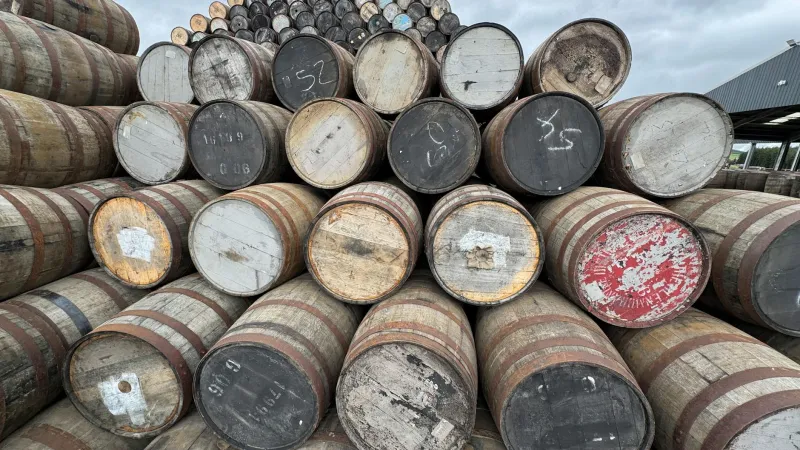
Inside Bladnoch's traditional dunnage warehouses, a remarkable natural phenomenon occurs that most whisky drinkers never consider. As seasons change across Galloway, the whisky maturing in oak casks literally breathes – expanding into the wood during warmer months and contracting away during cooler periods. This seasonal rhythm, driven by temperature fluctuations, fundamentally shapes the character of every drop that eventually reaches your glass.
The science behind this process reveals whisky maturation as far more dynamic than many imagine. Rather than spirits sitting passively in wood, each cask contains a living system where alcohol, water, and wood compounds engage in constant exchange, their interaction governed by the atmospheric conditions of Scotland's southernmost whisky region.
Understanding the Expansion Dance
When spring warmth reaches Bladnoch's warehouses, the alcohol in each cask begins expanding, pushing deeper into the oak's cellular structure. This increased contact extracts fresh tannins, vanillins, and other flavour compounds that have never before interacted with the spirit. Think of it as the whisky actively seeking new flavour territories within the wood.
Conversely, as autumn and winter temperatures drop, the liquid contracts, pulling away from the cask walls but carrying with it the newly extracted compounds. This contraction period allows the whisky to integrate these flavours, creating the harmonious complexity that defines well-matured single malt.
The rate and extent of this expansion-contraction cycle varies significantly with location. Speyside's sharper temperature swings create different patterns from the Highlands' extreme variations, whilst Islay's maritime moderation produces yet another maturation signature.
Galloway's Unique Climatic Fingerprint
Galloway's position as Scotland's southernmost whisky region creates a particularly beneficial maturation environment. The area experiences milder winters than northern regions but still enjoys distinct seasonal variation. This moderate climate produces gentler expansion-contraction cycles that encourage thorough flavour integration without the harsh extraction that extreme temperature swings can cause.
The proximity to the Irish Sea moderates temperature extremes, whilst the surrounding hills create a microclimate that promotes steady, consistent maturation. Unlike Highland distilleries that might experience rapid temperature drops or Speyside's occasionally harsh winters, Bladnoch's warehouses maintain conditions that encourage what master distillers call 'polite conversation' between spirit and wood.
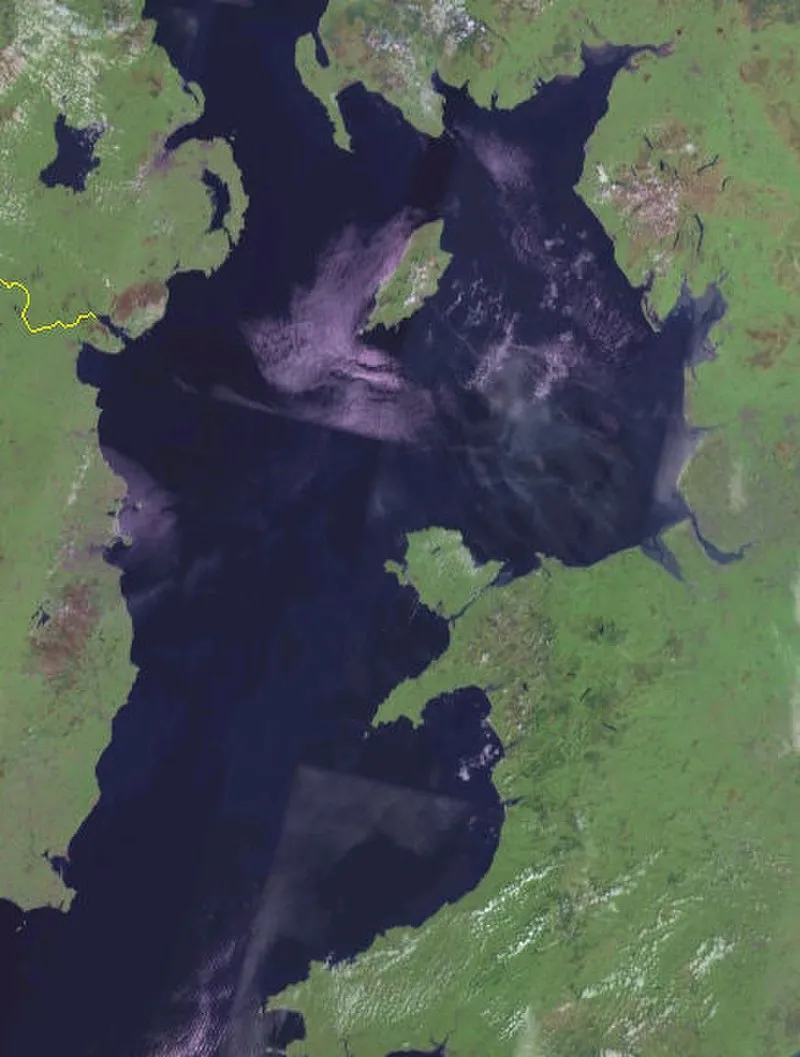 Photo of Irish Sea, via Wikidata/Wikimedia Commons
Summer temperatures in Galloway rarely reach extremes that force rapid expansion, which can extract overly aggressive tannins. Instead, the gentle warmth encourages steady interaction between whisky and oak, drawing out the wood's sweeter compounds whilst avoiding harsh extraction.
The Warehouse as Musical Instrument
Experienced warehouse managers often describe their buildings as musical instruments, with each season playing different notes. Spring's warming temperatures create the initial movement, like a symphony's opening bars. Summer's sustained warmth maintains steady interaction, whilst autumn's cooling begins the integration process. Winter's cold allows the whisky to rest and harmonise the flavours it has gathered.
At Bladnoch, warehouse manager records show fascinating variations in this seasonal symphony. Casks positioned near the warehouse walls experience more pronounced temperature variations than those in the centre. Higher-positioned barrels encounter warmer conditions than those at ground level. These micro-variations mean that even casks filled on the same day can develop distinctly different characters based purely on their warehouse location.
The traditional stone construction of Bladnoch's warehouses adds another layer to this complexity. Stone's thermal mass moderates temperature changes, creating gentler transitions between seasons compared to modern metal buildings. This traditional construction, dating back to the distillery's 19th-century origins, continues to influence the whisky's development in ways that modern facilities struggle to replicate.
Seasonal Bottling: When Timing Matters
The seasonal maturation cycle raises intriguing questions about when whisky should be bottled. Some distillers argue that spirits bottled in autumn, after a summer of active extraction and the beginning of integration, show different characteristics from the same whisky bottled in spring.
At Bladnoch, master distillers have observed that whiskies sampled in late summer often display more prominent wood influence, whilst the same casks sampled in early spring show better integration and balance. This has led to careful timing of bottling runs to capture whisky at optimal moments in its seasonal development.
The practice extends to cask selection for special bottlings. Anniversary releases and limited editions are often chosen during specific seasons when the whisky's character aligns with the desired flavour profile. A cask that might seem too oak-forward in August could reveal perfect balance when sampled again in February.
Your Seasonal Tasting Experience
This seasonal influence extends to your own tasting experiences. The same bottle of Bladnoch, opened in different seasons, can reveal varying characteristics as the whisky continues its slow evolution even after bottling. The interaction between seasonal temperature changes in your home and the whisky in the bottle creates subtle ongoing development.
Professional tasters often note that whiskies seem more vibrant and expressive during the seasons when they were bottled. A Bladnoch bottled during autumn's integration period might show its best character when tasted during similar conditions months or even years later.
The serving temperature becomes crucial when considering seasonal effects. Whisky served too cold in winter might not reveal the full complexity that warm-weather extraction has created, whilst summer tastings might benefit from slightly cooler serving temperatures to balance the more aggressive flavour compounds.
The Art of Seasonal Warehouse Management
Managing this seasonal dance requires considerable skill and experience. Warehouse teams at Bladnoch monitor not just temperature but humidity, air circulation, and even barometric pressure. Each factor influences how effectively the seasonal cycles promote flavour development.
Cask rotation becomes an art form, with experienced managers moving barrels to different warehouse positions to optimise their seasonal exposure. A cask that has spent several summers in a warm, upper position might be moved to a cooler location to encourage integration, whilst younger spirits might be positioned for more active extraction.
The result of this careful seasonal orchestration is whisky that truly reflects its place of origin. Each bottle of Bladnoch carries within it the memory of Galloway winters and summers, the gentle influence of maritime air, and the patient rhythm of seasons that have shaped this landscape for millennia.
Understanding these seasonal influences adds profound depth to whisky appreciation, revealing each dram as a liquid record of time, place, and the natural forces that continue to shape Scotland's southernmost single malt.