Teatime Revolution: How Single Malt Whisky Is Transforming Britain's Most Cherished Tradition
When Tradition Meets Innovation
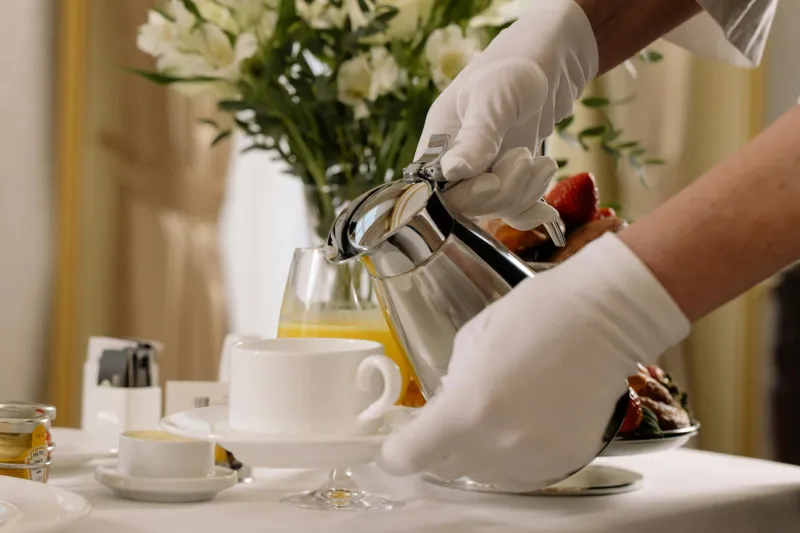
The clink of china teacups and the gentle rustle of starched napkins have defined British afternoon tea for generations. Yet in drawing rooms and hotel lounges across the UK, a quiet revolution is taking place. Alongside the Earl Grey and Darjeeling, crystal tumblers now catch the light, filled with amber liquid that would have scandalised the Duchess of Bedford herself.
This is not about replacing tea—it's about elevating an entire experience. Scotland's southernmost single malt has found its place at the afternoon tea table, not as an interloper, but as a sophisticated companion that enhances every element of this cherished ritual.
The Science of Sophisticated Pairing
Sarah Whitfield, head tea sommelier at London's Meridien Hotel, has spent three years perfecting what she calls "the whisky tea service." Her approach centres on understanding flavour bridges—those delicate connections that allow disparate tastes to harmonise rather than compete.
 Photo: Meridien Hotel, via i.ytimg.com
"Bladnoch's gentle, honeyed character creates extraordinary synergies with traditional afternoon tea elements," explains Whitfield. "The key is understanding that we're not serving a dram alongside tea—we're creating a dialogue between complementary flavours."
The distillery's signature smoothness, born from Galloway's soft waters and patient maturation, proves particularly suited to this delicate dance. Where more assertive Highland malts might overwhelm the subtle cucumber sandwich or compete with delicate patisserie, Bladnoch's refined character provides enhancement without dominance.
The Perfect Progression
Master distiller Nick Savage recommends approaching whisky-enhanced afternoon tea as a carefully orchestrated progression. "Begin with the lightest expression alongside your savoury course, then progress to richer expressions as the sweetness of the menu develops."
For the opening act—those quintessential finger sandwiches—Bladnoch's 10-year-old expression provides an ideal introduction. Its fresh, grassy notes complement egg mayonnaise whilst its subtle vanilla undertones enhance the classic cucumber and butter combination. The whisky's clean finish ensures it doesn't linger to interfere with the progression ahead.
Scones present their own pairing opportunities. The traditional Devonshire cream tea finds new dimension when accompanied by a carefully measured dram. The whisky's natural sweetness harmonises beautifully with strawberry jam, whilst its gentle spice notes provide counterpoint to rich clotted cream.
Elevating the Sweet Conclusion
Perhaps most surprisingly, it's in the realm of patisserie that whisky truly excels. Chocolate éclairs, lemon tarts, and delicate macarons all find enhancement through thoughtful pairing. Bladnoch's 15-year-old expression, with its deeper fruit character and subtle oak influence, creates extraordinary harmony with dark chocolate whilst its honeyed notes elevate fruit-based desserts.
Renowned pastry chef Marcus Henderson of Edinburgh's Balmoral Hotel has pioneered whisky-infused afternoon tea offerings. "The revelation came when we realised that whisky doesn't mask flavours—it reveals hidden depths. A simple lemon curd tart becomes something transcendent when paired with Bladnoch's citrus notes."
 Photo: Balmoral Hotel, via www.creciendoconmontessori.com
The Art of Service
Presentation matters enormously in this elevated format. Traditional crystal whisky glasses feel too formal; instead, consider small wine glasses or even purpose-designed whisky tasting glasses. The serving should be modest—15-20ml maximum—allowing for appreciation without overwhelming the palate.
Temperature control proves crucial. Unlike evening whisky service, afternoon pairings benefit from slightly chilled expressions. This restraint allows the whisky to complement rather than dominate, ensuring the tea service remains the star whilst the whisky plays its supporting role to perfection.
Creating Your Own Experience
For those inspired to host their own whisky-enhanced afternoon tea, timing becomes paramount. Allow guests to appreciate each element individually before introducing the pairing concept. Begin with a traditional service, then introduce the whisky element as an optional enhancement rather than a replacement.
Consider offering tasting notes alongside traditional tea service cards. This educational element transforms novelty into sophistication, helping guests understand the deliberate nature of each pairing choice.
A New Chapter in British Hospitality
As this trend gains momentum across Britain's finest establishments, it represents more than mere novelty. It's a testament to the evolving nature of hospitality itself—the willingness to question tradition whilst respecting its foundations.
Scotland's southernmost distillery has found its place in this evolution, proving that innovation need not abandon heritage. In drawing rooms from the Scottish Borders to London's West End, the gentle clink of crystal now accompanies the familiar ritual of afternoon tea, adding a new chapter to Britain's greatest social tradition.