The Landlord's New Shelf: How Independent British Pubs Are Discovering the Single Malt Difference
The Landlord's New Shelf: How Independent British Pubs Are Discovering the Single Malt Difference
The British pub is, by most reckonings, the most resilient social institution on these islands. It has survived plague, prohibition campaigns, two world wars, the smoking ban, and the rise of the home streaming service. What it has not always survived, at least in its spirits offering, is ambition. For the better part of a generation, the whisky shelf in most pubs has been a perfunctory affair: two or three blended Scotches, perhaps a bourbon, and a dusty bottle of something that nobody has ordered since 2009.
That, in a growing number of independent establishments, is beginning to change.
The Shift Behind the Bar
The movement towards curated single malt selections in independent pubs is not, it should be said, a revolution of the loud variety. It is happening incrementally, driven by individual landlords and bar managers who have noticed something specific: their customers, particularly those in the thirty-five to fifty-five age bracket, are asking questions that the standard spirits shelf cannot answer.
Those questions — what's the difference between blended and single malt, which distillery makes this, where does the flavour come from — are the questions of people who are genuinely curious rather than merely thirsty. They are the questions of a generation that has applied the same rigour to spirits that it previously reserved for wine and craft beer. And they deserve, bar managers are increasingly concluding, a shelf that can respond in kind.
Bladnoch Distillery, established in 1817 in Galloway and the southernmost single malt producer in Scotland, has become a recurring presence in this new generation of pub whisky selections. The reasons are worth examining, because they illuminate something important about what makes a single malt work in a pub context — which is a meaningfully different proposition from what makes one work in a specialist whisky bar or at a tasting event.
Why Approachability Is Not a Compromise
There is a persistent tendency within whisky culture to equate complexity with quality, and complexity with inaccessibility. By this logic, a whisky that a newcomer might enjoy on first encounter is somehow lesser than one that requires years of palate development to appreciate. This is, to put it plainly, nonsense — and it is precisely the kind of thinking that has kept single malt behind glass in specialist shops rather than on the bar of the local.
Bladnoch's character — its softness, its floral and fruity notes, its relative lightness of body — is not a concession to the uninitiated. It is the natural expression of Lowland distilling tradition, of Galloway's particular water and climate, of two centuries of craft applied to a spirit that has never needed to shout for attention. That same character makes it genuinely accessible to someone ordering a single malt for the first time, without offering them anything less than a fully realised, carefully made whisky.
For a landlord building a single malt selection with an eye to educating as well as serving, this matters considerably. A first encounter with single malt that is positive and approachable creates a customer who returns and explores further. A first encounter that is confusing or overwhelming tends to produce someone who orders a gin and tonic instead.
What Landlords Are Finding
Among independent pub operators who have introduced Bladnoch to their back bar, several observations recur with notable consistency.
First, the conversation it generates is disproportionate to its shelf space. A single well-chosen bottle of something unfamiliar, accompanied by even a brief description card, prompts more questions and more engagement than an entire row of blended Scotch. Customers want to know where Galloway is, what makes a Lowland malt different, why they have not heard of this distillery before. These are not difficult questions to answer, and the answers tend to produce a second order.
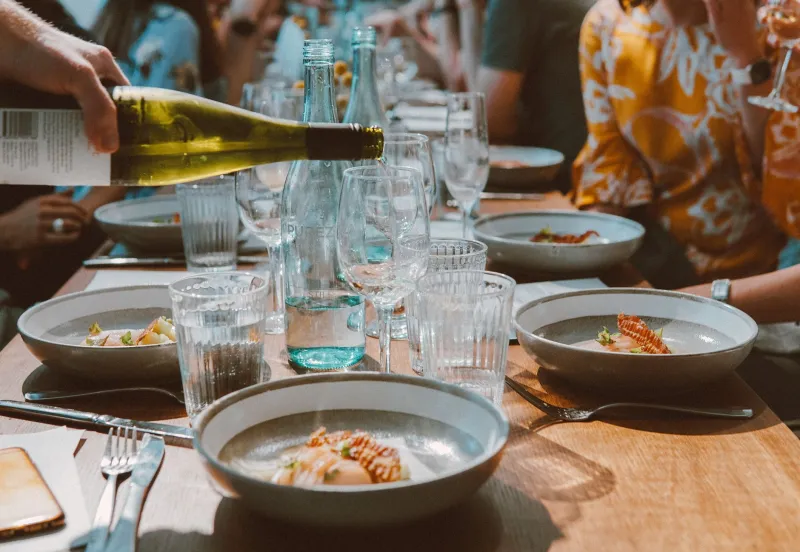
Second, the food pairing dimension opens doors that pure spirits service does not. Several landlords have noted that introducing a single malt recommendation alongside their kitchen's most popular dishes — a mature Cheddar ploughman's, a smoked mackerel pâté, a Sunday roast with all its attendant richness — creates an entirely new category of occasion for whisky in their establishment. The customer who might not order a dram at the bar will often try one when it is presented as a considered complement to their meal.
Third, and perhaps most significantly, the presence of a curated single malt selection signals something about the establishment itself. It communicates that the people behind the bar have thought carefully about what they are offering, that the choices on the shelf are the result of considered curation rather than default purchasing. In an era when independent pubs are competing not only with one another but with supermarkets, home delivery, and the infinite distractions of the domestic screen, that signal of care and intention is not a small thing.
Building the Single Malt Shelf
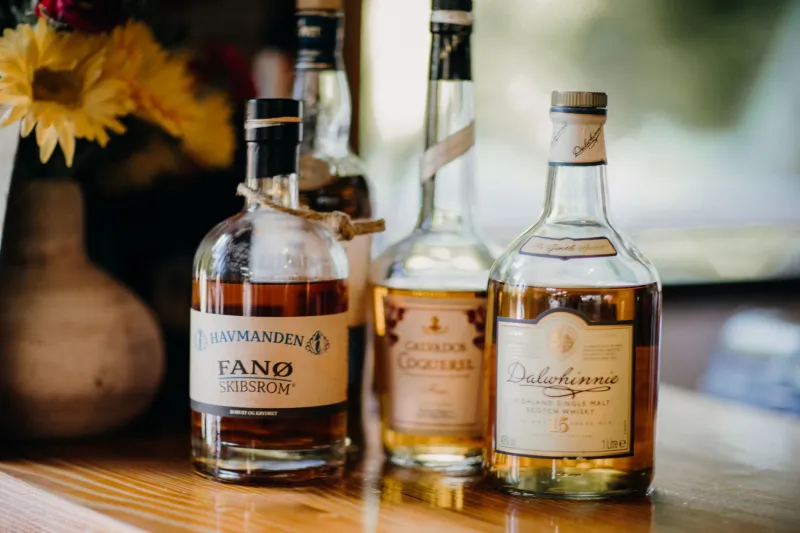
For landlords considering this step, the practical barriers are lower than many assume. A single malt selection does not need to be extensive to be effective — three or four well-chosen bottles, each representing a distinct character or region, are sufficient to offer genuine variety and to sustain a meaningful conversation with curious customers.
The most effective introductory selections tend to anchor around an accessible, approachable expression — something like a Bladnoch core release — and build outward from there into slightly more complex or characterful territory. This gives the curious newcomer an entry point that is rewarding without being demanding, and provides the more experienced whisky drinker with something to discover alongside it.
Staff knowledge is, naturally, a significant variable. A bar team that can articulate the difference between a Lowland and a Highland malt, or explain why one whisky carries vanilla notes and another is more herbal, is infinitely more effective at selling single malt than the most carefully curated shelf in the country. Brief, structured tastings for bar staff — the kind that Bladnoch and other distilleries are well placed to support — represent a modest investment that repays itself quickly in confidence and conversion.
The Pub as the Ideal Ambassador
There is an argument — and it is a compelling one — that the independent British pub is better placed to introduce single malt to new audiences than almost any other venue. Specialist whisky bars already serve the converted. Distillery visitor centres reach those who have made a deliberate journey. But the local pub reaches the person who walked in for a pint on a Thursday evening with no particular intention, glanced at the back bar, and asked a question they had never thought to ask before.
That moment — the glance, the question, the first careful pour — is where new relationships between drinkers and single malt begin. And it is precisely the kind of moment that Scotland's southernmost distillery, with its two centuries of quiet excellence and its deeply approachable character, is ideally suited to create.