The Dram That Sealed the Deal: Why Britain's Couples Are Raising Whisky at the Altar
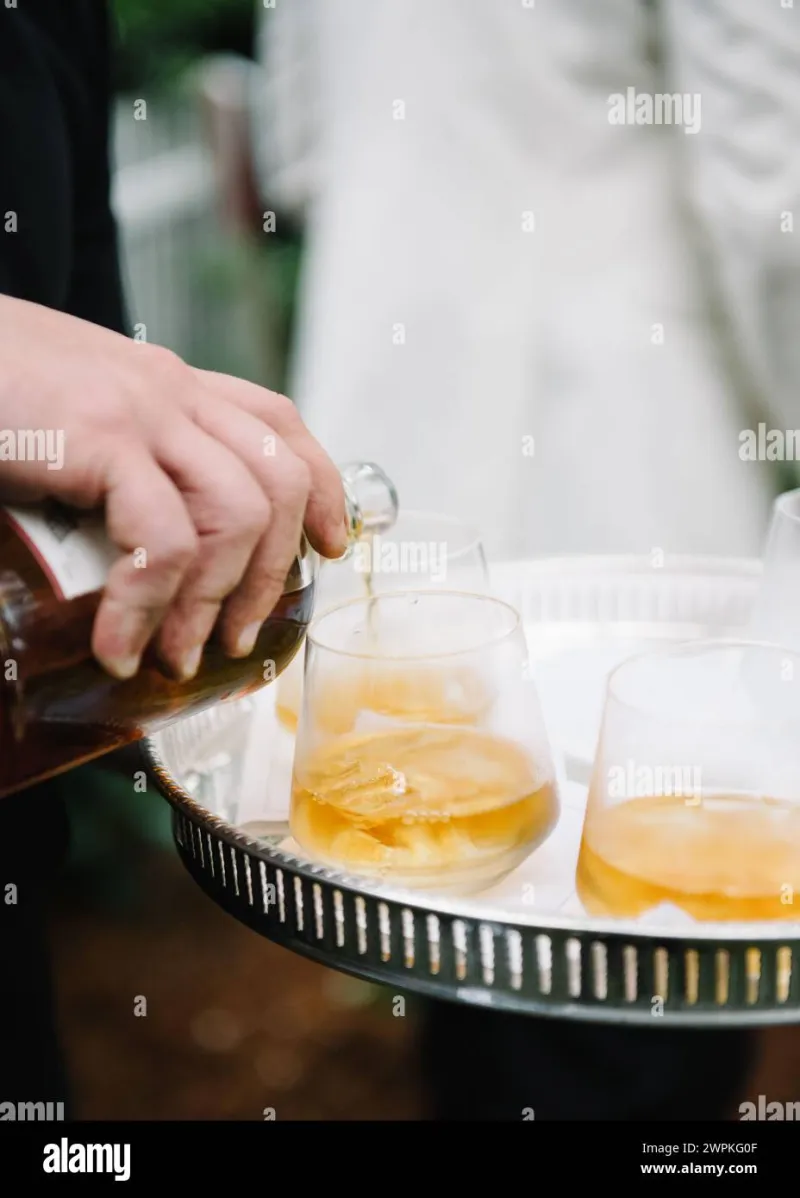
Photo: wedding toast whisky tumbler couple celebration Scotland reception, via c8.alamy.com
The Dram That Sealed the Deal: Why Britain's Couples Are Raising Whisky at the Altar
For the better part of a century, the champagne toast has been the unquestioned centrepiece of the British wedding reception. The pop of the cork, the pale gold liquid rising in tall flutes, the moment when a room collectively raises its glass — these are images so deeply embedded in the cultural imagination that questioning them has felt, until recently, almost impertinent.
And yet, question them couples are. Across England, Scotland, and Wales, a growing number of newlyweds are choosing to mark their most significant shared moment not with sparkling wine but with single malt Scotch whisky. The shift is not merely aesthetic. It reflects something more fundamental: a desire for celebrations that feel genuine, personal, and rooted in a story worth telling.
A Tradition in Transition
The champagne toast, for all its elegance, carries with it a degree of uniformity. It is, by definition, the same gesture performed at millions of weddings, a ritual whose very ubiquity has diluted its power to feel truly special. Whisky, by contrast, is particular. It carries the character of the place that made it, the hands that crafted it, and the years it spent maturing — a narrative depth that no sparkling wine can easily replicate.
Sophie and Alistair Mackintosh, married in the Scottish Borders in the spring of last year, chose Bladnoch for their wedding toast after visiting the distillery on a weekend break through Galloway. "We wanted something that felt like us," Sophie explains. "We'd been to Bladnoch on a whim, and we fell in love with the place — the story of the distillery, the people, the landscape. When it came to the toast, it felt completely natural to use a whisky that actually meant something to us."
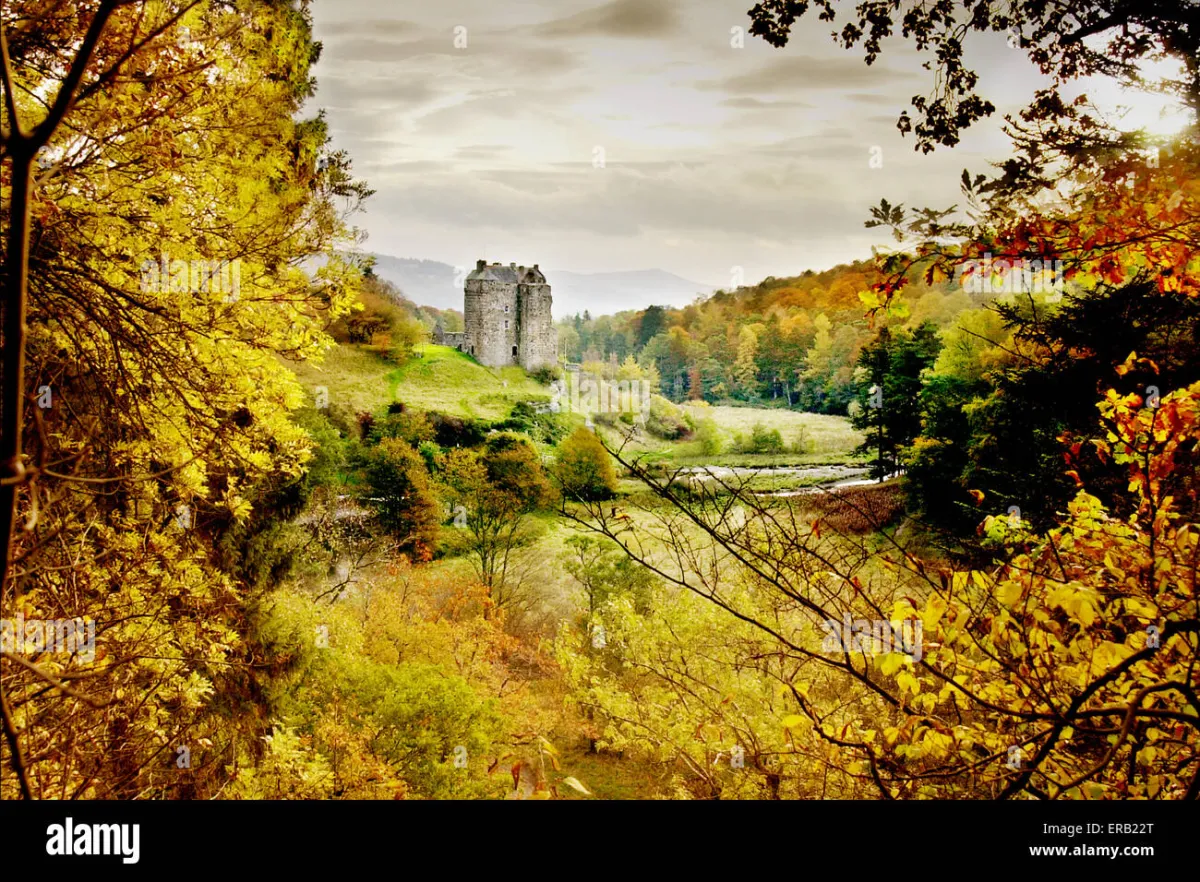 Photo: Scottish Borders, via c8.alamy.com
This sentiment is increasingly common among couples who have discovered that the most memorable wedding moments are those shaped by genuine personal connection rather than convention.
The Practical Choreography
For wedding planners, the whisky toast presents a set of practical considerations that differ meaningfully from its champagne equivalent. Sarah Dunmore, who has coordinated weddings across Scotland and the north of England for over a decade, has noticed the trend accelerating in recent years.
"The first question couples always ask is how to handle guests who don't drink whisky," she explains. "The answer is simpler than most people expect. You ensure that an alternative — a good sparkling water, a non-alcoholic option — is always available, and you brief the front-of-house team to offer it proactively rather than waiting to be asked. But in practice, when the moment is framed correctly, the vast majority of guests are willing to try something new."
The framing, Dunmore emphasises, is everything. A whisky toast works best when it is introduced with a brief, warm explanation — a few sentences about why this particular dram was chosen, what it represents, and how to approach it if you are unfamiliar with the category. "When guests understand the story behind the whisky, they engage with it rather than resisting it. It becomes part of the occasion rather than an obstacle to it."
Choosing the Right Expression
Not every whisky is suited to a wedding toast. The occasion calls for an expression that is approachable to a broad audience, generous in character, and capable of delivering something genuinely pleasurable even to those who would not ordinarily seek out a dram.
Bladnoch's more accessible expressions — those that lead with stone fruit, vanilla, and a gentle warmth on the finish — have proven particularly well suited to this purpose. They carry sufficient complexity to reward the experienced palate while remaining welcoming to guests encountering single malt for the first time.
"Bladnoch works beautifully in this context because it doesn't intimidate," says James Ferrier, a hospitality consultant who has worked with several Scottish venues on whisky wedding packages. "It has a softness and a generosity that draws people in. You're not presenting guests with something challenging — you're offering them something genuinely lovely."
For larger receptions, the logistics of a whisky toast are straightforward. Pre-poured measures, served in small tumblers or nosing glasses rather than the standard reception glassware, allow for the same synchronised moment that champagne affords. The visual impact, particularly when the amber spirit catches the light, is considerable.
Beyond the Toast
For many couples who choose whisky for their toast, the decision opens the door to a broader integration of single malt throughout the celebration. A whisky cocktail hour, a curated tasting station at the evening reception, or a bottle of Bladnoch presented to each table as a centrepiece — these are extensions of the same instinct towards personalisation that drove the original choice.
Some couples go further still, incorporating a distillery visit into their honeymoon itinerary or commissioning a personalised bottling to mark the occasion. Bladnoch offers a range of options for those wishing to create something genuinely bespoke — a bottle bearing the wedding date, a personal message, or the couple's names — that serves as both a memento and a gift.
What This Shift Reveals
The move towards whisky at weddings is not, ultimately, about whisky at all. It is about the broader cultural appetite for celebrations that feel earned rather than inherited — moments shaped by genuine choice rather than the path of least resistance.
British couples, particularly those marrying in their thirties and beyond, are arriving at their wedding day with a clearer sense of who they are and what matters to them. They are less inclined to defer to convention simply because convention exists, and more inclined to ask what each element of their celebration actually means.
In that context, a single malt from Scotland's southernmost distillery — a place with two centuries of history, a story of survival and revival, and a character shaped by the particular landscape of Galloway — offers something that a generic champagne simply cannot. It offers a reason.
And on a wedding day, reasons matter.