Brushstrokes and Barley: How Contemporary British Artists Are Capturing Scotland's Southernmost Distillery on Canvas
The Unexpected Muse of Galloway
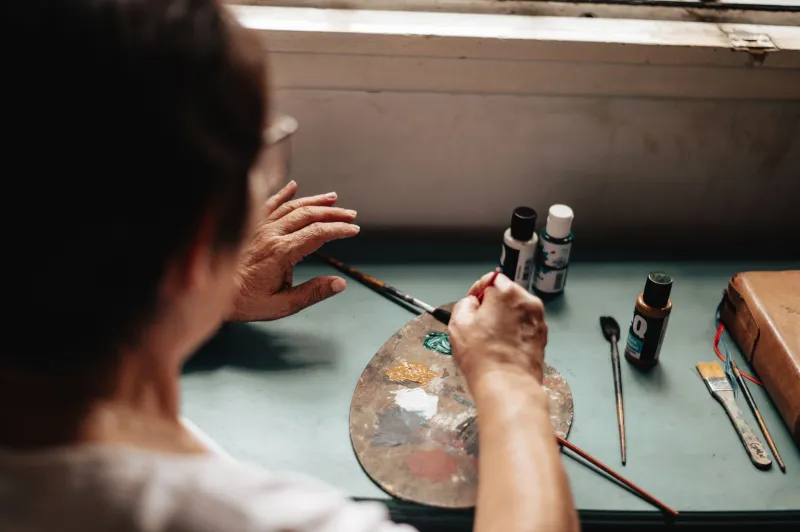
In a converted barn overlooking the Solway Firth, artist Helena Morrison carefully studies the way afternoon light catches the curve of a Bladnoch bottle. The amber liquid within seems to hold the very essence of the Galloway countryside — golden barley fields, autumn heather, and the warm glow of copper stills working their ancient magic. For Morrison, like a growing number of contemporary British painters, whisky has become far more than a subject matter; it represents a return to the contemplative traditions that once defined British art.
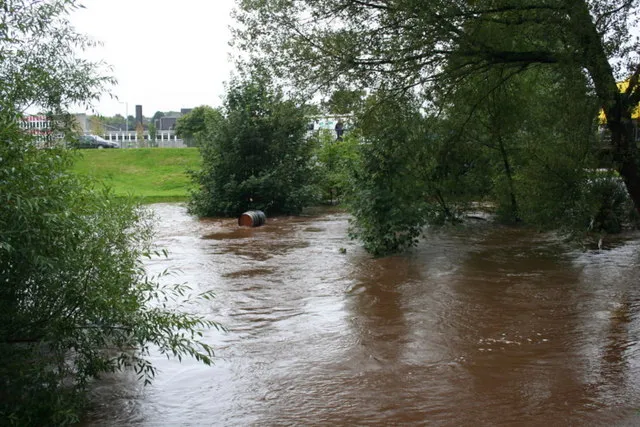
 Photo: Solway Firth, via ei.phncdn.com
"There's something profoundly honest about whisky as a subject," explains Morrison, whose recent exhibition 'Liquid Light' featured twelve paintings inspired by visits to Scotland's southernmost distillery. "Unlike modern industrial products, every bottle tells a story of time, patience, and place. When I paint Bladnoch, I'm capturing not just the liquid, but the entire philosophy of unhurried craftsmanship."
Rediscovering Traditional Techniques
This revival of whisky-inspired art represents more than aesthetic choice — it signals a broader movement among British painters seeking authenticity in an increasingly digital world. The technical demands of capturing whisky's translucent qualities, the complex interplay of light through amber liquid, and the rich patina of aged copper are drawing artists back to fundamental painting skills that many art schools no longer emphasise.
London-based painter James Whitfield discovered this challenge during his first visit to Bladnoch three years ago. "I'd become lazy with my brushwork," he admits. "But trying to capture the way light moves through a glass of twenty-one-year-old Bladnoch — that forced me to really observe, to slow down and study how colour and transparency actually work."
Whitfield's subsequent series, 'The Copper Chronicles', documents the various stages of whisky production through detailed still life compositions. Each painting required weeks of observation, studying how steam rises from the wash backs, how copper develops its distinctive green patination, and how the spirit itself transforms from clear new-make to the complex amber of matured whisky.
The Galloway Effect
What sets Bladnoch apart as artistic inspiration isn't merely its status as Scotland's southernmost distillery, but the unique landscape that surrounds it. The rolling hills of Dumfries and Galloway provide a gentler backdrop than the dramatic Highlands, allowing artists to focus on subtlety rather than grandeur.
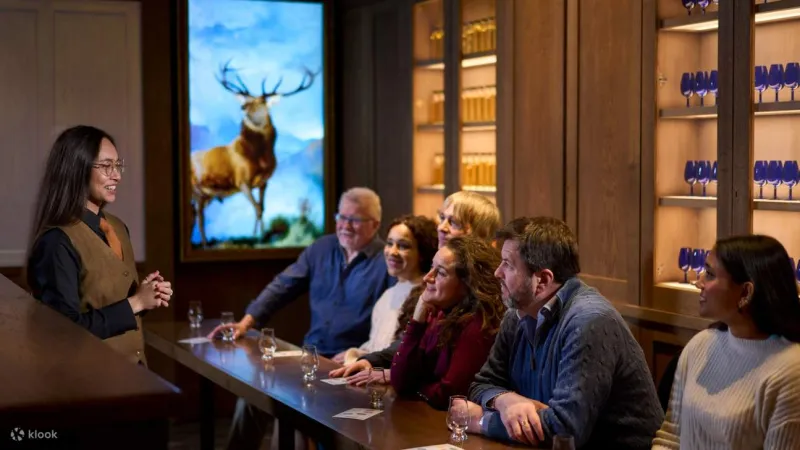
 Photo: Dumfries and Galloway, via imgix.bustle.com
"The light here is extraordinary," notes landscape painter Sarah Chen, who has spent the last two summers documenting the changing seasons around the distillery. "It's softer than what you find further north, with this quality that seems to mirror the character of the whisky itself — approachable, refined, but with real depth when you look closely."
Chen's work captures not just the distillery buildings, but the broader ecosystem that influences Bladnoch's character — the River Bladnoch meandering through ancient woodlands, the patchwork of fields that once grew the barley, and the ever-changing skies that reflect the region's maritime climate.
Beyond the Bottle
While still life paintings of whisky bottles might seem like obvious territory for this artistic movement, many painters are finding inspiration in the less obvious aspects of distillery life. The geometric patterns of stacked casks in aging warehouses, the steam rising from copper stills at dawn, and the weathered hands of craftsmen who have spent decades perfecting their art — all are finding their way onto canvas.
Manchester artist David Kumar has made the aging warehouse his particular focus. "People think whisky painting is about the glamorous moments — the tasting, the pouring, the finished product," he says. "But I'm fascinated by the waiting. These vast, quiet spaces where time does all the work. There's something almost sacred about a warehouse full of sleeping casks."
Kumar's paintings capture the cathedral-like quality of Bladnoch's aging warehouses, where rows of oak casks create natural perspectives that draw the eye deep into shadowy depths. His use of muted earth tones and dramatic lighting transforms these functional spaces into something approaching the sublime.
A Market Renaissance
This artistic revival coincides with growing collector interest in whisky-themed artwork. Galleries across Britain report increased demand for paintings that celebrate traditional craftsmanship, with whisky distilleries providing particularly rich subject matter. The appeal extends beyond whisky enthusiasts to anyone seeking art that represents authenticity and patience in our fast-paced world.
"There's a hunger for work that celebrates making things properly," observes gallery owner Patricia Drummond, whose Edinburgh space recently hosted 'Spirits of Place', an exhibition featuring ten artists inspired by Scottish distilleries. "Bladnoch paintings particularly resonate because they represent this idea of taking time, of not rushing the process."
The Future Canvas
As this artistic movement grows, Bladnoch Distillery has begun quietly supporting emerging artists through informal residency arrangements. The distillery provides access to normally restricted areas, allowing painters to observe the production process at close quarters and capture moments unavailable to casual visitors.
"We've always understood that whisky-making is an art form," explains Master Distiller Nick Savage. "Supporting painters who want to document our craft feels like a natural extension of what we do. Their work captures aspects of our process that photography simply can't convey — the emotional resonance of tradition, the poetry of patience."
For British artists seeking subjects that combine technical challenge with emotional depth, Scotland's southernmost distillery offers an inexhaustible source of inspiration. In an age of instant everything, the deliberate pace of whisky-making — and the contemplative practice of painting it — provides both artist and viewer with something increasingly rare: permission to slow down and truly see.