A Dram for Every Woman: How Bladnoch Is Leading the Single Malt Inclusivity Movement
The image of the solitary male whisky drinker, swirling his glass beside a roaring fire, is quietly being dismantled. Across Britain, a new generation of women is discovering single malt whisky on its own terms — and Scotland's southernmost distillery is proving to be a particularly welcoming gateway. At Bladnoch, the conversation about who whisky belongs to has never been more compelling.
A Tradition Ripe for Reinterpretation
For much of its history, whisky has been marketed, presented, and discussed in ways that implicitly signalled a male audience. The language of the category — rugged terrain, masculine strength, stoic patience — rarely left room for alternative perspectives. Yet the spirit itself has always been far more nuanced than its cultural packaging suggested.
Single malt Scotch whisky, at its finest, is a drink defined by subtlety, complexity, and a sensitivity to place. These are qualities that transcend any demographic boundary, and it is precisely these qualities that have begun attracting a new, more diverse audience to the category. Industry research consistently shows that women now account for a growing proportion of whisky purchases in the United Kingdom — a shift that is reshaping how distilleries communicate, present, and share their craft.
Blaднoch, founded in 1817 on the banks of the River Bladnoch in Galloway, has long been characterised by an approachable, elegant style that sits apart from the more assertive expressions of Scotland's northern distilleries. It is a whisky of refinement rather than confrontation — and that distinction, it turns out, resonates powerfully with drinkers who were never especially drawn to the category's traditional posturing.
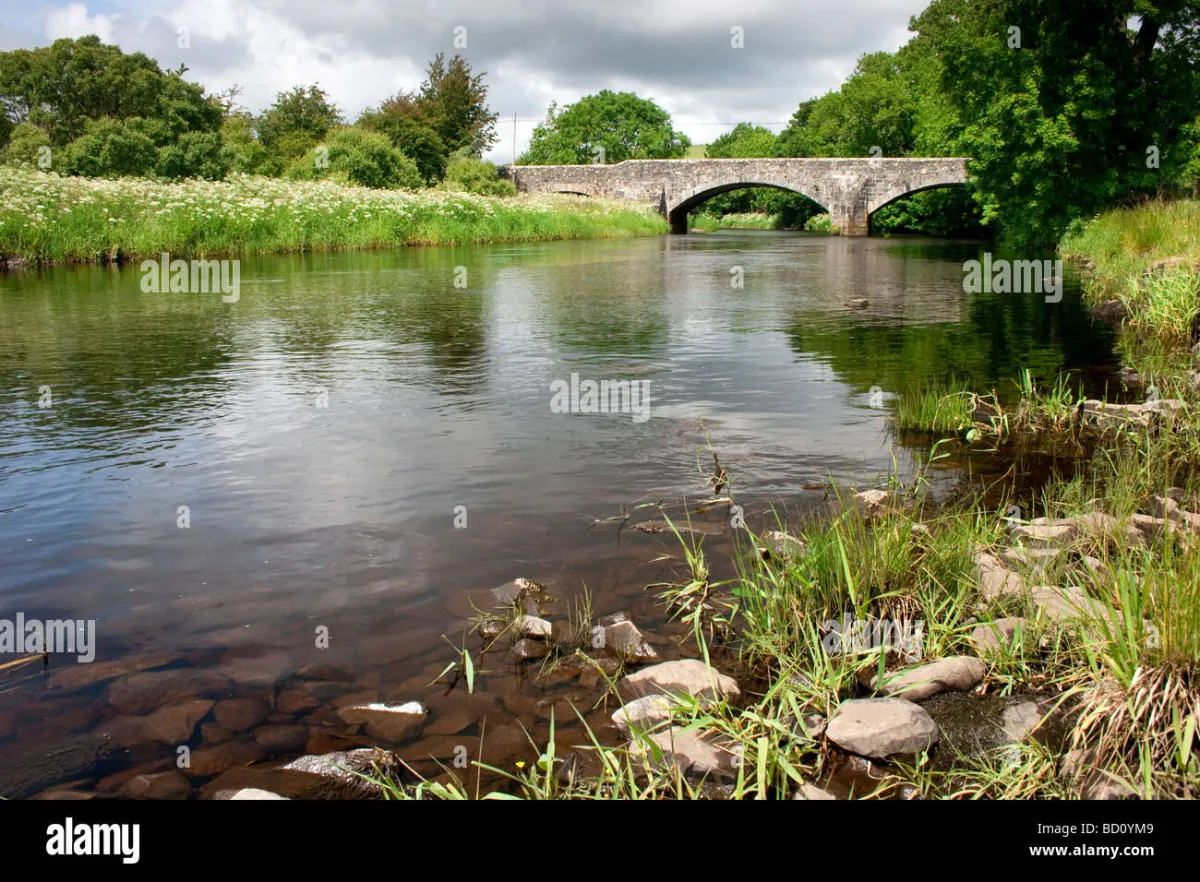 Photo: River Bladnoch, via c8.alamy.com
First Encounters at Scotland's Southern Edge
For many women discovering whisky, the first meaningful encounter with the spirit is the most formative. The environment matters as much as the liquid itself. A tasting room that feels intimidating, a vocabulary that presupposes expertise, or a guide who defaults to assumptions about prior knowledge — any of these can close a door before it has properly opened.
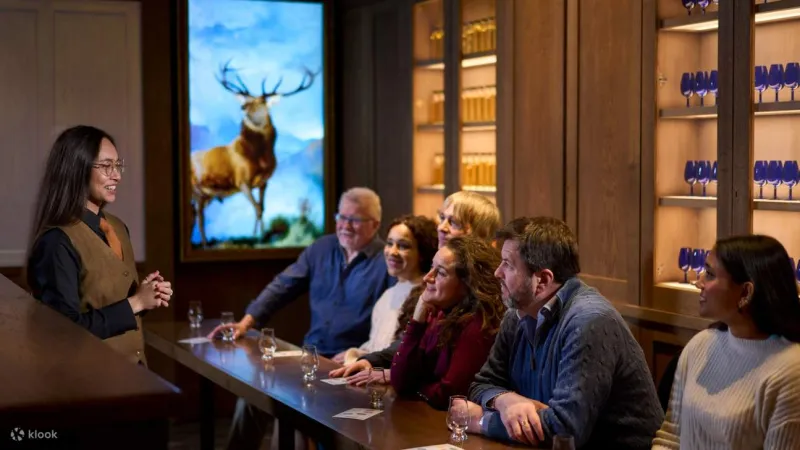
At Bladnoch, the approach is deliberately different. The distillery's tasting experiences are designed to begin with curiosity rather than credentials. Visitors are invited to engage with their own sensory responses — to describe what they perceive in their own language rather than reaching for an approved lexicon. It is a small but significant distinction, and one that women who have attended Bladnoch's guided sessions frequently cite as the reason they felt at ease.
Sarah, a marketing director from Edinburgh who visited Bladnoch with a group of colleagues last autumn, recalls her experience with evident warmth. "I had always assumed whisky was something I'd need to study before I could enjoy it properly," she reflects. "What struck me about Bladnoch was that no one expected me to have done homework. The guide was genuinely interested in what I thought the whisky smelled like, not whether I could identify the correct tasting note. That changed everything for me."
Her sentiment is echoed by Miriam, a retired teacher from Dumfries who now attends Bladnoch's seasonal tasting evenings regularly. "I came for the first time because a friend dragged me along. I left having bought a bottle and already planning my return visit. The distillery felt like somewhere that had been waiting for me to discover it."
The Flavour Profile That Opens Doors
Blaднoch's house character plays a meaningful role in its appeal to those approaching single malt for the first time. The distillery's expressions are noted for their fruit-forward elegance, floral delicacy, and a relatively gentle spirit that rewards contemplation rather than demanding tolerance. These are not whiskies that challenge for the sake of challenge — they are whiskies that invite exploration.
For women who may have previously encountered heavily peated or aggressively oaked expressions and concluded that Scotch whisky was simply not for them, Bladnoch often represents a revelation. The Samsara expression, for instance — matured in a combination of bourbon barrels and California red wine casks — offers a profile of ripe orchard fruit, vanilla, and warm spice that speaks to those whose palates have been shaped by wine, gin, or other more accessible spirits.
This is not to suggest that Bladnoch's whiskies are simplistic. They are not. But their complexity is of a kind that reveals itself gradually, rewarding patience and attentiveness rather than demanding immediate surrender. It is precisely the kind of spirit that encourages return visits and deepening engagement.
Changing the Conversation Across the Industry
Blaднoch's approach reflects a broader shift within the Scotch whisky industry, which has spent the past decade reconsidering both its audience and its tone. Major producers have revised marketing campaigns, distilleries have redesigned visitor experiences, and whisky writers have begun challenging the unexamined assumptions embedded in traditional tasting vocabulary.
The change is gradual, and there remains significant work to be done. Women remain underrepresented in senior roles across the industry, and the legacy of decades of gendered marketing does not dissolve overnight. However, the direction of travel is unmistakable, and distilleries such as Bladnoch — which combine an approachable product with a genuinely hospitable visitor experience — are demonstrating that inclusivity and quality are not merely compatible but mutually reinforcing.
The women who discover Bladnoch today are not a niche demographic to be catered for with token gestures. They are whisky drinkers in the fullest sense — curious, discerning, and entirely capable of becoming the most passionate advocates a distillery could hope for. Scotland's southernmost single malt, it seems, has always had something to say to them. The industry is simply learning, at last, to ensure the invitation is clearly extended.