Against the Grain of Convention
Whilst the rest of Britain embarks on Dry January resolutions and holiday recovery, a curious phenomenon occurs in the depths of Galloway. As tourist coaches disappear from the A75 and visitor centres across Scotland shutter for quieter months, Bladnoch Distillery enters its most revealing season. This is when Scotland's southernmost single malt producer offers something increasingly rare in our connected age: genuine solitude and authentic connection with the craft of whisky making.
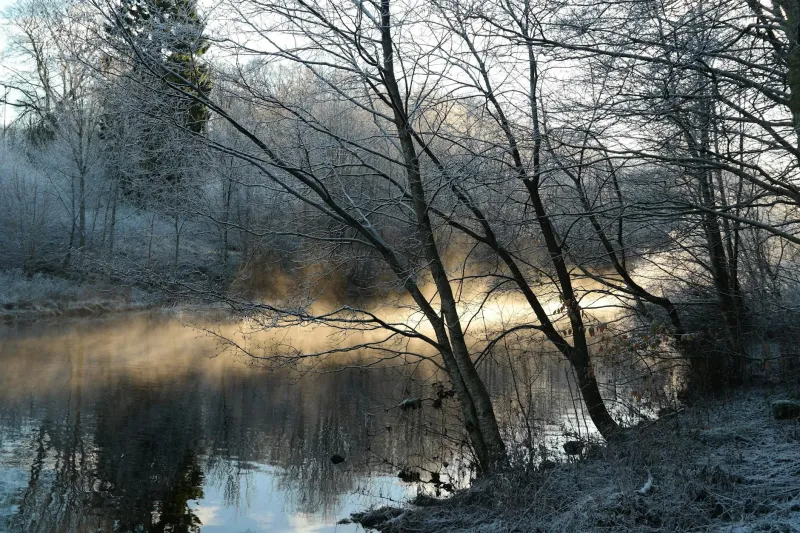
The conventional wisdom suggests visiting Scottish distilleries during summer months, when Highland roads are accessible and tour groups manageable. Yet this popular timing misses something fundamental about understanding whisky. The spirit's true character emerges not in the warm conviviality of crowded tasting rooms, but in the contemplative quiet of winter mornings, when mist rises from the River Bladnoch and the only sounds are the gentle bubble of fermentation and the distant call of curlews across Wigtown Bay.
The Landscape Stripped Bare
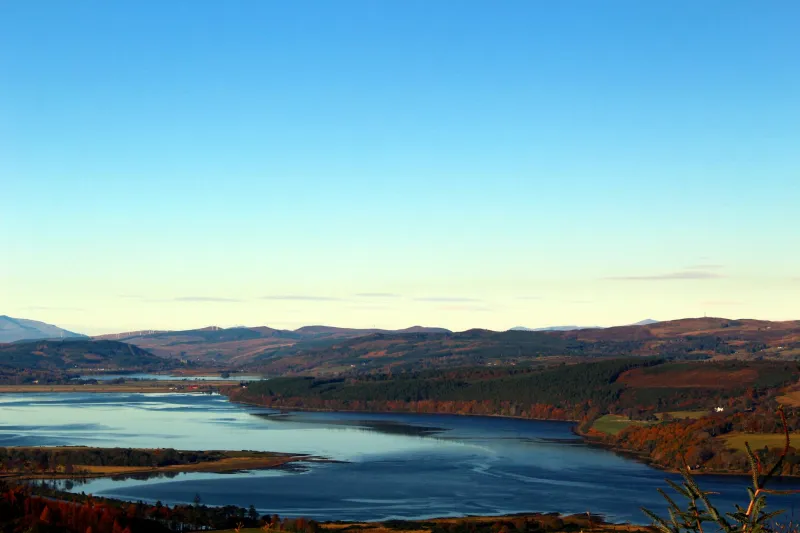
January in Galloway presents a revelation. The tourist-friendly facade of summer—manicured gardens, bustling car parks, and cheerful signage—gives way to something more honest. The surrounding countryside, stripped of its verdant disguise, reveals the geological foundations that shape Bladnoch's character. Ancient granite outcrops emerge from winter fields, the same stone that filters the distillery's water source through millennia of slow percolation.
This is the landscape that Thomas McClelland encountered in 1817 when he chose this particular bend in the River Bladnoch for his distillery. Standing in the January cold, watching mist rise from the water that will become tomorrow's whisky, visitors gain visceral understanding of why this location was chosen. The romance of summer obscures these fundamental truths; winter reveals them with stark clarity.
The River Bladnoch itself flows differently in winter months. Fed by increased rainfall and reduced evaporation, its character changes—softer, more generous, carrying different mineral profiles from the surrounding hills. Master distillers speak of seasonal variations in water chemistry, subtle differences that influence fermentation and ultimately flavour. Summer visitors sample whiskies made with winter water; winter visitors witness the process that will define next year's expressions.
The Distillery Unveiled
Without the choreographed bustle of peak season, Bladnoch reveals its working heart. Production continues through winter months, but at a more measured pace that allows genuine observation. Fermentation vessels bubble with patient intensity, their contents transforming grain into wash with the unhurried rhythm that defines quality whisky production.
Winter tours, necessarily smaller and more intimate, offer access typically reserved for industry professionals. Visitors might find themselves in conversation with the head distiller about copper pot still maintenance, or discussing cask selection with the warehouse team. These interactions, impossible during summer's scheduled efficiency, provide insights that transform casual interest into deeper appreciation.
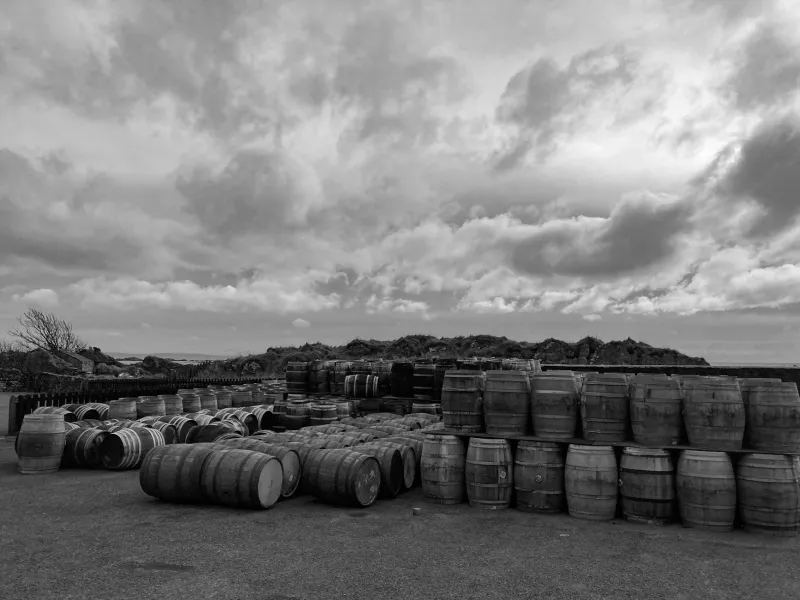
The warehouses themselves tell different stories in winter. Cask breathing slows in cooler temperatures, reducing the angel's share whilst allowing more gradual flavour development. Walking between towering racks of maturing whisky, hearing the occasional creak of expanding wood, visitors experience the patience that defines single malt production. This is whisky making stripped of marketing gloss—honest, contemplative, and profoundly moving.
The Philosophy of Winter Appreciation
There exists a philosophical argument for experiencing whisky during its natural season. Single malt Scotch, particularly from maritime regions like Galloway, developed as winter sustenance—a warming spirit to combat long, dark months when fresh provisions were scarce. Tasting these whiskies in centrally heated tasting rooms, surrounded by summer tourists, divorces them from their essential purpose.
January at Bladnoch offers something different: the opportunity to understand whisky as it was intended. Standing in the distillery courtyard as evening draws in at four o'clock, sampling a dram of 15-year-old single malt whilst watching the last light fade over Wigtown Bay, visitors connect with generations of Scots who found comfort and contemplation in similar moments.
This isn't about suffering for authenticity's sake, but about understanding context. Whisky's complexity—its ability to warm, comfort, and inspire contemplation—makes most sense when experienced in conditions that demand those qualities. Summer's easy pleasures require no enhancement; winter's challenges reveal whisky's true purpose.
Practical Revelations
Beyond philosophical considerations, January visits offer concrete advantages that summer tourism cannot match. Accommodation throughout Galloway becomes both available and affordable, allowing extended stays that permit deeper exploration. The Crown Hotel in Wigtown, a favourite among whisky writers, offers special winter rates and the kind of unhurried service that encourages long conversations about local history and distilling traditions.
Local restaurants, freed from summer's tourist rush, can focus on seasonal menus that complement whisky appreciation. The Steampacket Inn in Isle of Whithorn serves exceptional winter game dishes that pair beautifully with Bladnoch's gentler expressions, creating dining experiences that would be impossible to arrange during peak season.
Winter walking in Galloway reveals landscapes that summer visitors never see. The Southern Upland Way, which passes near the distillery, offers spectacular winter hiking when properly equipped. Post-walk drams take on profound significance when earned through honest exertion in challenging conditions.
The Community Connection
Perhaps most importantly, winter visits reveal Bladnoch's integration into the local community. During summer months, the distillery exists somewhat apart from daily Galloway life, serving visitors who arrive by coach and depart by evening. In winter, the distillery resumes its role as local employer and community anchor.
Visitors might encounter distillery workers in Wigtown's pubs, sharing stories about production challenges and seasonal variations. These informal interactions provide insights into whisky making as lived experience rather than tourist attraction. Local knowledge—which grain varieties perform best in wet years, how wind patterns affect maturation, why certain casks develop particular characteristics—emerges through conversation rather than formal presentation.
This community integration extends to local suppliers and service providers. The cooperage that maintains Bladnoch's casks, the farmers who provide barley, the transport companies that move finished whisky—all become more visible and accessible during quieter months.
The Meditative Quality
Ultimately, January at Bladnoch offers something increasingly rare: the opportunity for genuine contemplation. Without summer's distractions—crowded tasting rooms, packed tour schedules, the pressure to visit multiple distilleries in limited time—visitors can focus on understanding rather than consuming.
Sitting in the distillery's tasting room as rain patters against windows, sampling expressions that span decades of maturation, the true complexity of single malt whisky becomes apparent. Each dram tells stories of seasons past—wet summers that influenced grain harvests, cold winters that slowed maturation, the patient work of coopers and distillers across years and decades.
This meditative quality transforms whisky from product to process, from consumption to contemplation. Visitors leave not just with purchased bottles but with deeper understanding of why Bladnoch's location, history, and methods combine to create something genuinely unique among Scottish single malts.
In an age of instant gratification and surface-level experiences, Bladnoch in January offers the profound satisfaction of authentic engagement with craft, tradition, and place. It's a reminder that some experiences improve not through convenience or comfort, but through the willingness to encounter them on their own terms.