The Sunday Sanctuary: Reclaiming Britain's Lost Weekend Ritual with Scotland's Most Patient Single Malt

The Productivity Rebellion
Something remarkable is happening in sitting rooms across Britain every Sunday evening. Laptops remain closed, phones sit face-down on side tables, and successful professionals who spend their weeks optimising every moment are deliberately choosing to do nothing more ambitious than savour a carefully poured dram of single malt whisky. This isn't laziness — it's revolution.
The constant pressure to maximise productivity has created an unexpected backlash among Britain's most driven professionals. From City lawyers to tech entrepreneurs, people who have built careers on efficiency are discovering that the most radical act of self-care might be the simple decision to slow down. The Sunday ritual of unhurried whisky appreciation has become their weapon of choice against the tyranny of constant achievement.
"I spent fifteen years believing that every moment needed to be optimised," admits London financial consultant Emma Richardson, whose Sunday evenings now revolve around a single glass of Bladnoch and whatever book happens to be beside her chair. "The irony is that deliberately wasting time has made me more creative and focused during the working week. Sometimes the most productive thing you can do is absolutely nothing."
The Galloway Metaphor
Bladnoch's unhurried approach to whisky-making provides the perfect philosophical framework for this weekend rebellion. In a world obsessed with shortcuts and acceleration, the distillery's commitment to natural maturation — allowing time and environment to work their magic without interference — offers a powerful counter-narrative to productivity culture.
The whisky's journey from grain to glass takes decades, not because the process cannot be rushed, but because the best results require patience. This philosophy resonates strongly with professionals who have discovered that their most creative insights often emerge not during intense work sessions, but in moments of deliberate stillness.
"There's something profoundly calming about drinking whisky that has been patiently aging longer than my entire career," notes Manchester architect David Chen, whose Sunday routine includes a walk along the Bridgewater Canal followed by an evening with Bladnoch's twenty-one-year expression. "It puts my weekly deadlines in perspective. Some things simply cannot be hurried, and perhaps shouldn't be."
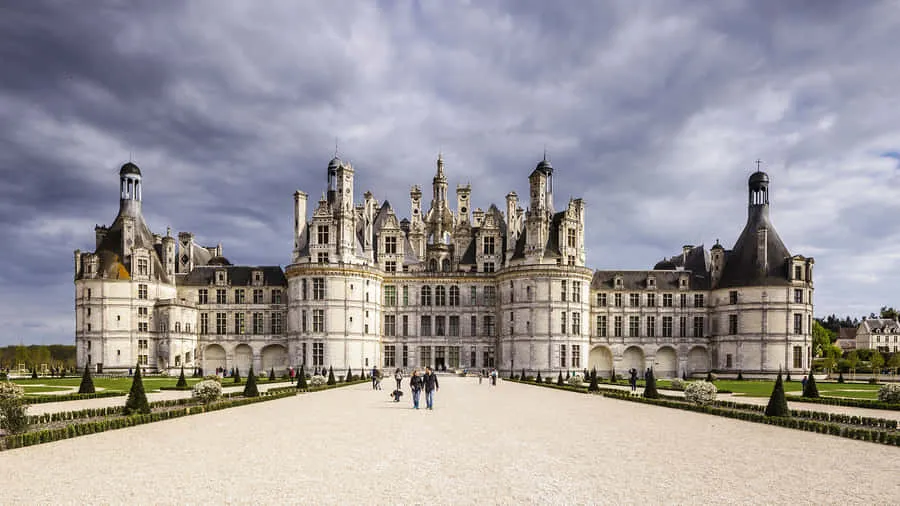 Photo: Bridgewater Canal, via wallpapers.com
Reconstructing Sunday
The traditional British Sunday — church, family dinner, afternoon walks — may have largely disappeared, but professionals are creating new rituals that serve similar restorative functions. These contemporary Sunday practices share common elements: intentional slowness, sensory engagement, and the deliberate absence of productivity goals.
For Birmingham marketing director Sarah Williams, Sunday reconstruction began with a simple decision to cook a proper roast dinner rather than grabbing takeaway between client calls. "The process of slow-cooking forces you to be present," she explains. "You can't multitask your way through a joint that needs four hours in the oven. It demands patience, attention, presence — all the things I spend the week avoiding."
The evening concludes with what Williams calls her "gratitude dram" — a small glass of Bladnoch sipped slowly while reviewing the week's positive moments. "It's not about getting drunk or even particularly relaxed," she clarifies. "It's about creating a ritual that marks the transition from work mode to rest mode. The whisky is just the vehicle."
The Science of Slowness
Neuroscience research supports what these Sunday rebels have discovered intuitively: deliberate periods of mental downtime are essential for creativity, problem-solving, and emotional regulation. The brain's default mode network — active during rest periods — plays crucial roles in memory consolidation, future planning, and creative insight.
"We've created a culture that treats rest as laziness, but the brain actually does some of its most important work when we're not actively thinking," explains Dr. Rebecca Foster, a cognitive psychologist who has studied the effects of mindful alcohol consumption on stress reduction. "The ritual aspect is particularly important — having a structured way to transition from work mode to rest mode helps the brain shift into more reflective states."
The sensory engagement required for whisky appreciation — noting colour, aroma, flavour development — provides what psychologists call 'grounding' — a technique for managing anxiety and overthinking by focusing attention on immediate sensory experience.
Creating the Perfect Sunday Sanctuary
Establishing a restorative Sunday routine requires more than good intentions; it demands the same strategic thinking that professionals apply to their careers. The most successful Sunday rebels treat their downtime with the same respect they give important meetings, protecting it from encroachment and designing environments that support their goals.
London tech entrepreneur Mark Thompson transformed his Sunday evenings by creating what he calls a 'phone-free zone' in his sitting room. "I put my devices in another room at six o'clock and don't retrieve them until Monday morning," he explains. "The first few weeks felt like withdrawal, but now it's the highlight of my week. Just me, a book, and a glass of something that's been waiting twenty years to be appreciated properly."
The choice of whisky matters more than might be expected. Expressions that demand attention — complex, evolving flavours that reward careful consideration — work better than simple, straightforward drams. Bladnoch's layered character, with its gentle complexity and long finish, provides enough sensory engagement to anchor attention without overwhelming inexperienced palates.
The Ripple Effect
Professionals who have successfully established Sunday sanctuary routines report benefits that extend far beyond weekend relaxation. The practice of deliberate slowness seems to recalibrate their relationship with time throughout the week, making them more selective about commitments and more protective of mental space.
"Learning to appreciate whisky properly taught me about quality versus quantity in everything else," observes Bristol consultant Jennifer Walsh. "I'd rather have one excellent glass of Bladnoch than three mediocre drinks, just like I'd rather have one meaningful conversation than five superficial networking exchanges. Sunday evening whisky became a masterclass in choosing better over more."
The social aspects of this movement are equally significant. Couples are establishing shared Sunday rituals, friends are hosting 'slow Sunday' gatherings, and even business relationships are benefiting from professionals who arrive at Monday meetings genuinely refreshed rather than merely caffeinated.
The Future of Rest
As more professionals discover the power of intentional downtime, the Sunday whisky ritual may represent the beginning of a broader cultural shift toward sustainable work practices. The rebellion against productivity culture isn't about working less — it's about working better by ensuring that rest is genuine restoration rather than mere collapse.
"The irony is that my Sunday whisky ritual has made me more ambitious, not less," reflects Edinburgh lawyer Patricia Morrison. "When you know you have genuine sanctuary waiting at the end of the week, you can push harder during working hours. It's not about work-life balance — it's about work-life integration done properly."
For British professionals seeking to reclaim their weekends from the endless demands of modern working life, the answer might be surprisingly simple: choose quality over quantity, patience over speed, and presence over productivity. Sometimes the most radical act is simply sitting still long enough to properly appreciate something that has been waiting years to be enjoyed.
In that sense, every Sunday evening dram becomes both personal rebellion and quiet affirmation — a reminder that some of life's most important moments cannot be scheduled, optimised, or rushed. They can only be savoured.