The River That Defines a Distillery
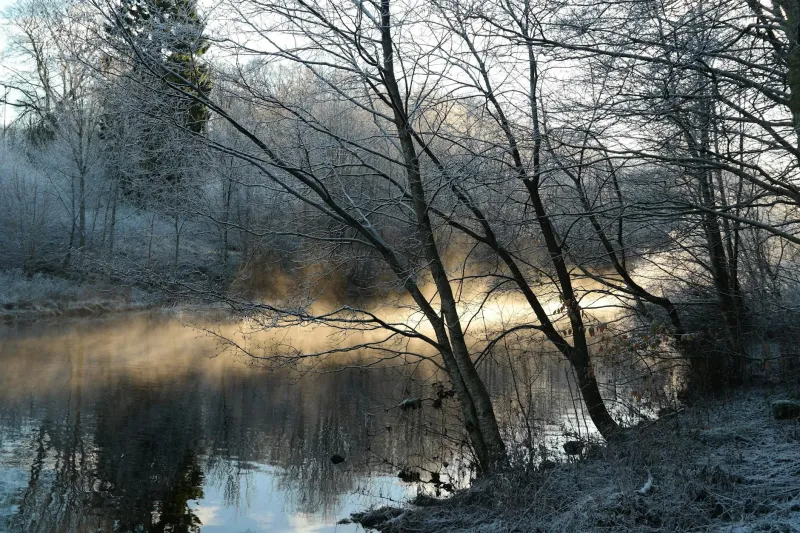
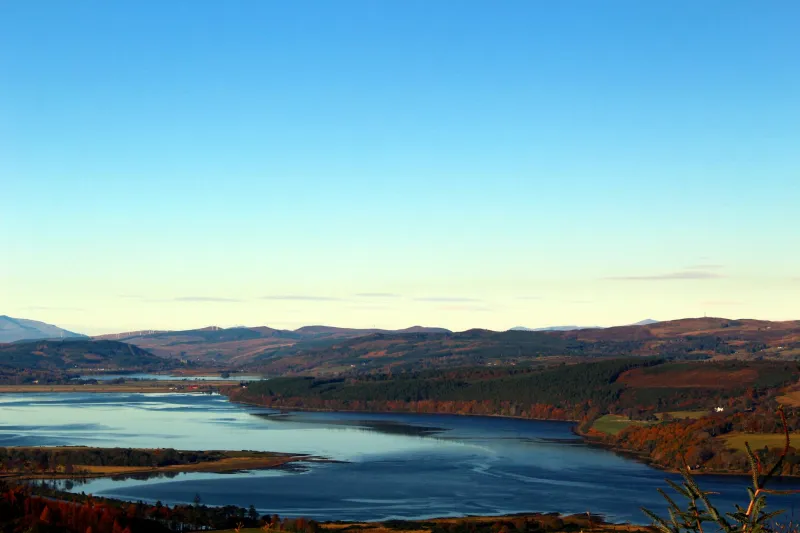
In the rolling hills of Wigtownshire, where Scotland meets the Solway Firth, the River Bladnoch winds its unhurried way through some of the country's most fertile agricultural land. This gentle waterway, which lends its name to Scotland's southernmost distillery, carries within its flow the very essence of what makes our single malt so distinctively approachable.
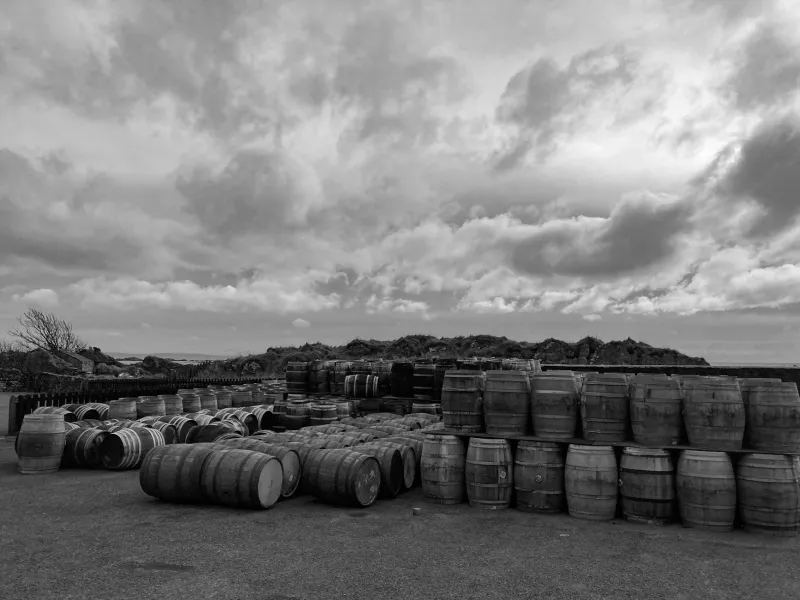
Since 1817, master distillers at Bladnoch have understood that exceptional whisky begins not with grain or oak, but with water. The river that flows past our doors delivers something precious: a liquid foundation that shapes every aspect of our whisky-making process, from the initial mashing of malted barley to the final dilution before bottling.
The Geography of Taste
The character of any water source reflects the landscape through which it travels. Unlike the granite-filtered burns that cascade down Highland mountainsides, the River Bladnoch meanders through Galloway's sedimentary geology, picking up a completely different mineral profile along its journey.
This lowland passage creates water that is notably softer than its Highland cousins. Where mountain streams often carry high concentrations of calcium and magnesium—minerals that can impart hardness and sometimes aggressive flavours—our river water arrives at the distillery with a gentleness that translates directly into the glass.
The agricultural landscape through which the Bladnoch flows also plays a crucial role. These fertile fields, dotted with dairy farms and market gardens, contribute to a water table that filters naturally through layers of rich soil rather than bare rock. This process removes harsh elements whilst preserving the subtle mineral complexity that gives our whisky its distinctive character.
The Science Behind the Softness
Water quality affects every stage of whisky production, though its influence is often underestimated by casual drinkers. During mashing, softer water allows for more efficient extraction of sugars from malted barley, creating a cleaner, more refined wort. This initial advantage compounds throughout the production process.
The pH level of our river water—naturally slightly acidic due to its journey through organic-rich soil—creates optimal conditions for fermentation. Yeast thrives in this environment, producing a wash that emphasises fruit and floral notes rather than the sometimes harsh, mineral-driven characteristics associated with harder water sources.
Perhaps most importantly, the water we use for dilution before bottling carries these same gentle qualities. Many distilleries must treat their water extensively before it's suitable for final blending, but the River Bladnoch provides us with a natural dilution medium that enhances rather than masks our spirit's inherent character.
Comparing Waters: Highland Burn vs Lowland Flow
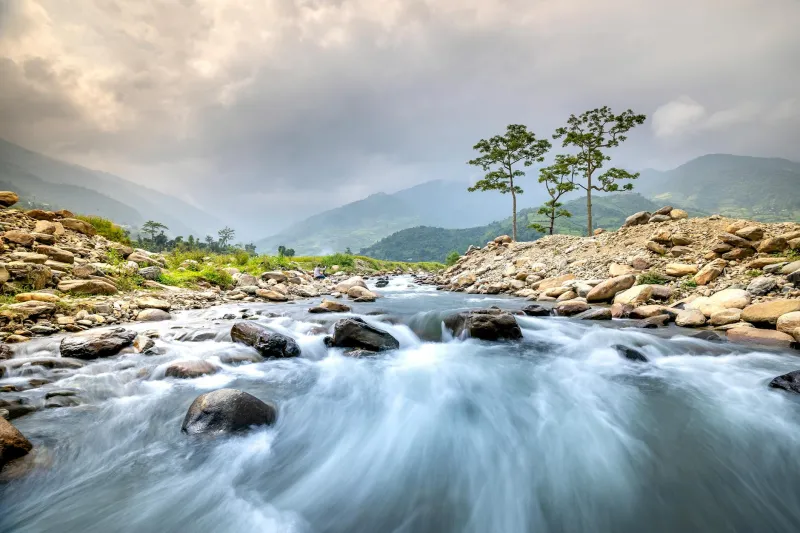
To understand the significance of our water source, consider the difference between a Highland burn tumbling down granite slopes and our gentle lowland river. Highland water, filtered through ancient rock, often emerges with high mineral content that can create whiskies with pronounced earthy, sometimes metallic notes—characteristics that define many celebrated Highland expressions.
The River Bladnoch, by contrast, offers what water chemists describe as 'brewing water'—naturally soft, with balanced mineral content that allows other flavours to shine. This is why our single malts consistently display the honeyed, vanilla, and gentle spice notes that make them so accessible to newcomers whilst remaining complex enough to satisfy experienced palates.
Recognising Water's Influence in Your Glass
When tasting Bladnoch single malt at home, several characteristics reveal the influence of our river water. The immediate impression is one of smoothness—an absence of harsh edges that allows the whisky's natural sweetness to emerge. This isn't merely a function of age or cask selection; it's the direct result of our water's soft mineral profile.
On the nose, look for clean, bright aromas without any metallic or overly earthy undertones. The water's purity allows delicate floral and fruit notes to express themselves clearly, unmasked by mineral interference. Highland whiskies, whilst magnificent in their own right, often display more robust, sometimes challenging aromatics that reflect their harder water sources.
The mouthfeel of Bladnoch whisky—that silky, almost creamy texture—owes much to our river water's softness. Hard water can create spirits that feel sharp or aggressive on the palate, whilst our gentle source produces whiskies that seem to coat the mouth with velvet.
The Taste of Place
In the world of wine, the French concept of terroir encompasses everything from soil and climate to the human element in production. Whisky has its own terroir, and at Bladnoch, the River Bladnoch represents perhaps the most crucial element of our unique sense of place.
This isn't merely romantic storytelling—it's measurable science. Independent analysis consistently shows that our finished whiskies contain trace elements that mirror the mineral signature of our river water. These compounds, whilst present in minute quantities, contribute to the overall flavour profile that makes Bladnoch instantly recognisable to educated palates.
A Living Heritage
As Scotland's southernmost distillery, we take particular pride in showcasing how geography shapes flavour. The River Bladnoch isn't simply our water source—it's the liquid embodiment of Wigtownshire's gentle character, flowing through our whisky and into glasses around the world.
Every dram of Bladnoch carries within it the story of this remarkable river: its journey through fertile lowlands, its natural filtration through organic soils, and its arrival at our distillery as the perfect foundation for Scotland's most approachable single malt. When you raise a glass of Bladnoch, you're not just tasting whisky—you're experiencing the very essence of Galloway's landscape, captured in liquid form.