The Shared DNA of Literature and Whisky
In the pantheon of Scottish cultural exports, literature and whisky occupy remarkably similar positions. Both require patience in their creation, both improve with time and contemplation, and both carry within them the essence of the landscape from which they emerge. At Bladnoch, where Scotland's southernmost single malt has been crafted since 1817, we've long recognised that our spirit shares more than chronology with the nation's literary tradition—it shares a fundamental approach to storytelling.
Consider the parallels: just as Robert Burns distilled the essence of Scottish rural life into verse that resonates across centuries, our master distillers capture the character of Galloway's gentle landscape in every bottle. Both processes demand an understanding of tradition coupled with the courage to innovate, both require an intimate knowledge of local materials and methods, and both create works that reveal new layers with each encounter.
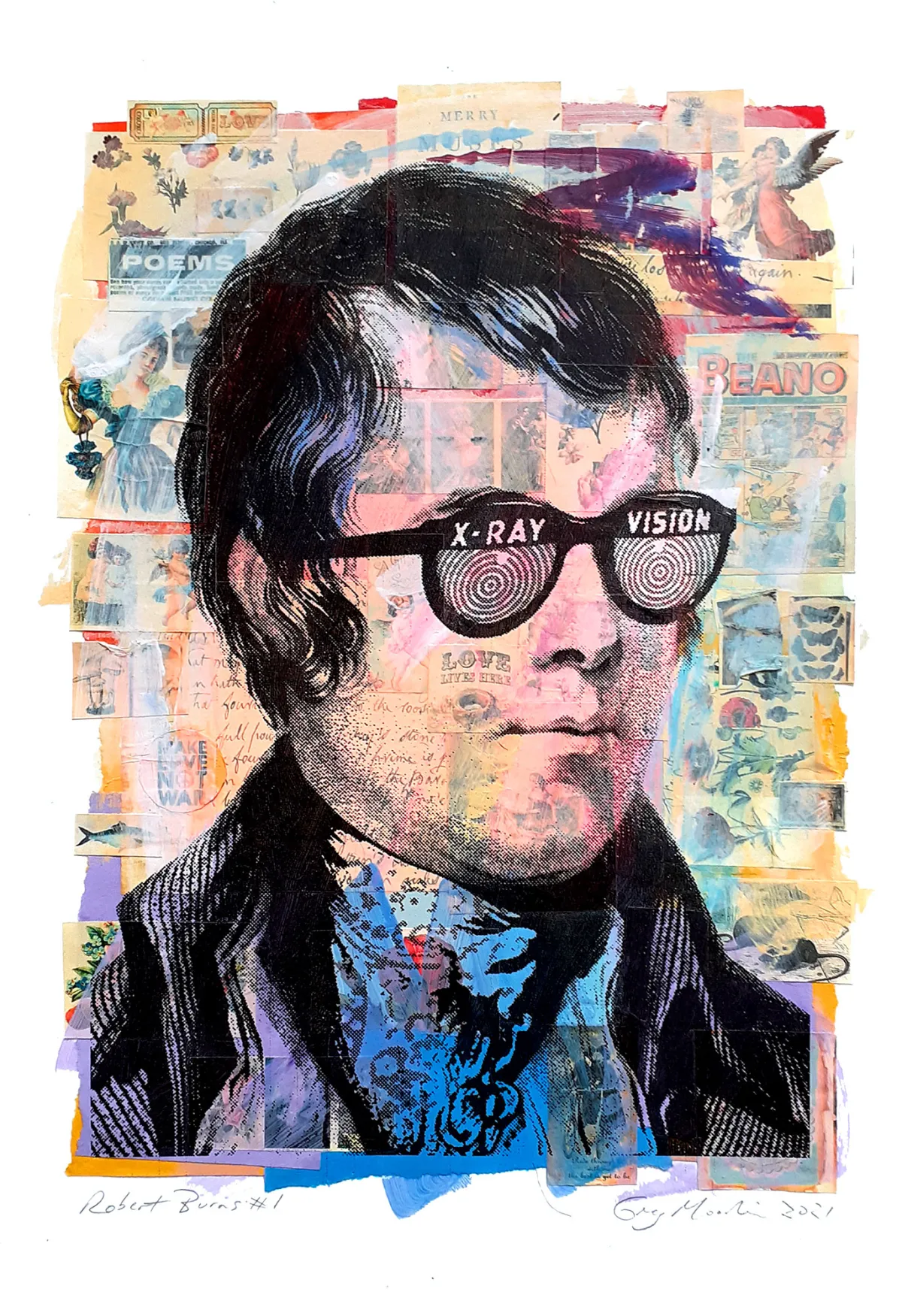 Photo: Robert Burns, via gregmoodie.com
Burns and the Democratic Dram
No exploration of Scottish literature and whisky would be complete without acknowledging Robert Burns, whose relationship with Scotland's national drink is woven throughout his work. Yet rather than reaching for the obvious "Scotch Drink" or "Tam o' Shanter," consider pairing our 10-year-old expression with "To a Mouse"—that masterpiece of empathy and observation written in a Dumfries field not fifty miles from our distillery.
The whisky's approachable character, with its notes of honey and vanilla, mirrors Burns's ability to find profound meaning in everyday encounters. Both the poem and the dram speak to Scottish values of humility and connection to the land, whilst offering depths that reward careful attention. As you sip and read, notice how both Burns's compassionate observation and our whisky's gentle complexity emerge from the same Galloway soil.
Stevenson's Duality
Robert Louis Stevenson's "Dr Jekyll and Mr Hyde" offers fascinating parallels with the whisky-making process itself—the transformation of simple ingredients into something altogether more complex and mysterious. Pair this exploration of human duality with our 15-year-old expression, whose extended maturation has created layers of character that shift and evolve with each sip.
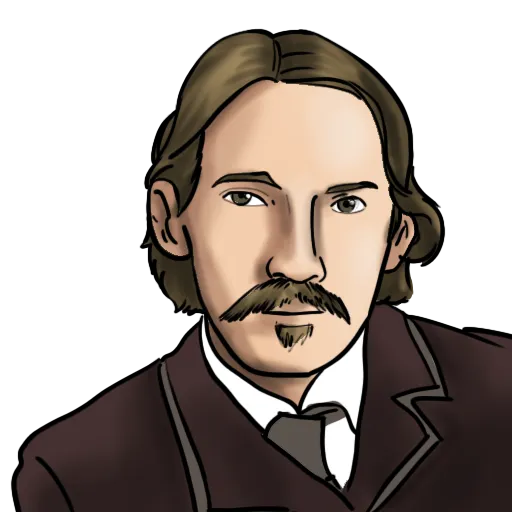 Photo: Robert Louis Stevenson, via poetry4kids.com
The whisky's interplay between light fruit notes and deeper, more contemplative flavours mirrors Stevenson's examination of the civilised and primitive aspects of human nature. Both the literature and the liquid invite us to consider how time and environment can create unexpected transformations, how patience can reveal hidden depths, and how Scottish sensibilities can illuminate universal truths.
Spark's Urban Sophistication
Muriel Spark's "The Prime of Miss Jean Brodie" represents a different facet of Scottish literary achievement—urban, sophisticated, psychologically acute. This calls for our 19-year-old expression, whose extended maturation has created a whisky of considerable complexity and refinement. Spark's precise prose style, with its careful balance of wit and insight, finds its liquid equivalent in a whisky that has learned restraint through age.
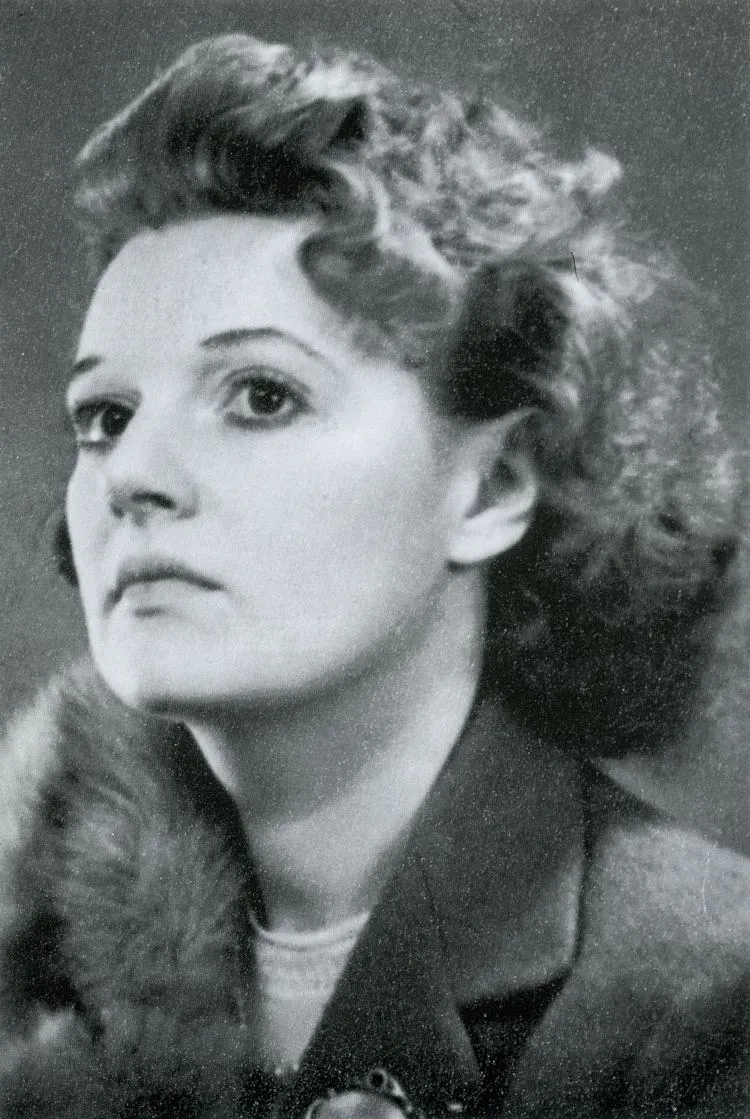 Photo: Muriel Spark, via alchetron.com
The novel's Edinburgh setting might seem distant from our Galloway home, yet both Spark's writing and our whisky demonstrate how Scottish excellence can emerge from patient craft rather than dramatic gesture. The subtle interplay of flavours in the aged whisky mirrors Spark's ability to reveal character through suggestion rather than statement.
Creating Your Literary Evening
Hosting a whisky and literature evening requires the same attention to detail that defines both great writing and great whisky-making. Begin with lighter pairings—perhaps Burns and our 10-year-old—before progressing to more complex combinations. Provide each guest with a small notebook, encouraging them to jot down both tasting notes and literary observations.
The key lies in allowing both the literature and the whisky to inform each other without forcing connections. Read passages aloud, discuss the writers' relationships with their landscapes, and consider how both whisky and literature serve as vessels for cultural memory. The conversation that emerges often proves as rewarding as either the reading or the tasting alone.
The Patience of Craft
Perhaps the most profound connection between Scottish literature and Bladnoch single malt lies in their shared understanding of patience as a creative force. Just as our whisky develops its character through years of interaction with oak, climate, and time, Scotland's greatest writers understood that lasting work emerges from sustained engagement with craft rather than momentary inspiration.
This patience extends to appreciation as well. Neither great literature nor great whisky reveals all its secrets immediately. Both reward return visits, both offer different experiences as we ourselves change and develop, and both connect us to something larger than the immediate moment of consumption.
A Living Tradition
As you explore these pairings, remember that you're participating in a living tradition that connects past and present. The same landscape that inspired Burns continues to influence our whisky-making today. The same Scottish values of craftsmanship and authenticity that drove Stevenson and Spark continue to guide our approach to distilling.
In bringing together Scotland's literary heritage with our single malt, we're not simply creating an evening's entertainment—we're participating in an ongoing conversation about what it means to create something of lasting value, something that captures the essence of place and time whilst speaking to universal human experiences.