The Unexpected Marriage of Field and Distillery
As autumn settles across the British Isles and game season reaches its zenith, discerning hosts face a delightful challenge: how to elevate traditional fare beyond the predictable wine pairing. The answer lies not in Bordeaux or Burgundy, but in the gentle waters of Galloway, where Bladnoch Distillery has been crafting Scotland's most approachable single malt since 1817.
Whilst many assume that robust Highland malts dominate the whisky and food pairing landscape, Bladnoch's distinctive character—shaped by the mild maritime climate of Scotland's southernmost distillery—offers something far more nuanced. The spirit's natural elegance and floral notes create an extraordinary canvas for game dishes, transforming what might otherwise be a hearty country meal into an experience worthy of the finest dining establishments.
Understanding Bladnoch's Unique Flavour Architecture
Before exploring specific pairings, one must appreciate what sets Bladnoch apart in the whisky landscape. Unlike the peat-heavy expressions of Islay or the sherried richness of Speyside, Bladnoch presents a more delicate profile. Notes of honey, green apple, and gentle spice emerge from spirits aged in the temperate Galloway climate, where proximity to the Irish Sea moderates both temperature and humidity.
This gentleness proves particularly advantageous when pairing with game. Where a heavily peated malt might overwhelm the subtle gaminess of pheasant, Bladnoch's refined character allows the meat's natural flavours to shine whilst adding layers of complementary complexity.
The Pheasant Pairing: Grace Meets Elegance
Pheasant, with its delicate texture and mild gaminess, finds its perfect partner in Bladnoch's entry-level expressions. The 11-year-old, with its bright fruit notes and gentle oak influence, complements roasted pheasant breast beautifully. Serve the whisky neat, at room temperature, allowing its natural oils to coat the palate between bites.
Consider preparing the pheasant with traditional accompaniments—bread sauce, game chips, and Brussels sprouts with chestnuts—but add a contemporary twist by incorporating a whisky reduction. A splash of Bladnoch in the roasting juices creates a sauce that bridges the gap between spirit and sustenance, demonstrating how thoughtful preparation can elevate both elements.
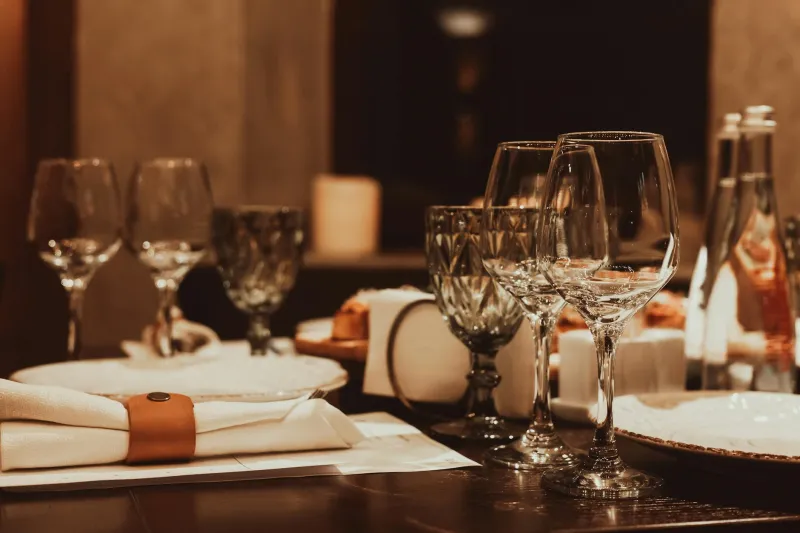
For presentation, serve the whisky in traditional Glencairn glasses, allowing guests to appreciate the spirit's golden hue against candlelight. The visual element matters; autumn entertaining should engage all the senses.
Venison: Where Robustness Meets Refinement
Venison presents a different challenge entirely. Its richer, more pronounced flavour requires a Bladnoch expression with greater depth—the 15-year-old proves ideal. Extended maturation in bourbon barrels has developed vanilla and caramel notes that complement venison's natural richness without competing for attention.
Prepare the venison simply—perhaps a rack, roasted pink and sliced into medallions. Traditional accompaniments like redcurrant jelly work beautifully, but consider a whisky-infused version. Reduce fresh redcurrants with a measure of Bladnoch, creating a condiment that directly references the evening's theme.
The key to success lies in temperature contrast. Serve the venison hot from the oven whilst the whisky remains at cellar temperature. This juxtaposition allows the spirit's complexity to unfold gradually as it warms in the glass, paralleling the meat's cooling and the evolution of its flavours.
Grouse: The Highland Challenge
Grouse, perhaps the most challenging of game birds, demands respect. Its intense flavour and firm texture require careful consideration. Here, Bladnoch's older expressions—particularly any limited releases or cask-strength bottlings—provide the necessary backbone to stand alongside this most aristocratic of birds.
Traditional grouse preparation—roasted whole and served on toast—benefits from whisky integration at multiple levels. A splash of Bladnoch in the roasting tin creates depth, whilst a few drops added to the traditional bread sauce introduces unexpected sophistication.
Serve the whisky slightly diluted—perhaps a teaspoon of soft Scottish water to each measure—allowing the spirit's complexity to emerge without overwhelming the palate. This approach respects both the whisky's craftsmanship and the grouse's noble character.
Structuring the Perfect Evening
Successful whisky and game entertaining requires careful orchestration. Begin with lighter pairings—perhaps smoked salmon canapés with a splash of Bladnoch—before progressing through pheasant, venison, and finally grouse. This progression allows palates to adjust gradually to increasingly intense flavours.
Provide tasting notes for each whisky expression, but avoid overwhelming guests with technical detail. Instead, focus on the story behind each bottle—Bladnoch's remarkable history, its unique position as Scotland's southernmost distillery, and the craftspeople who shape each expression.
Consider the broader sensory experience. Autumn flowers, perhaps chrysanthemums or late roses, complement the evening's theme. Candlelight softens the dining room's atmosphere whilst highlighting the whisky's golden tones.
The Lasting Impression
As the evening concludes, guests should depart with more than satisfied appetites. They should carry with them a deeper appreciation for how Scotland's southernmost single malt can elevate traditional British cuisine, transforming familiar flavours into something extraordinary.
The true art of whisky and game pairing lies not in rigid rules but in understanding how Bladnoch's gentle character can enhance rather than dominate. In the hands of a thoughtful host, Scotland's most approachable single malt becomes the bridge between tradition and innovation, creating evenings that linger long in memory.