The Galloway Connection: How Scotland's Southern Soil Shapes Every Drop at Bladnoch
In an era where many distilleries source their raw materials from industrial suppliers across continents, Bladnoch Distillery maintains something increasingly rare: a direct lineage from local soil to finished spirit. This connection to the Galloway countryside isn't merely romantic marketing—it represents a fundamental philosophy that shapes every aspect of our whisky-making process.
The Foundation: Galloway's Golden Grain
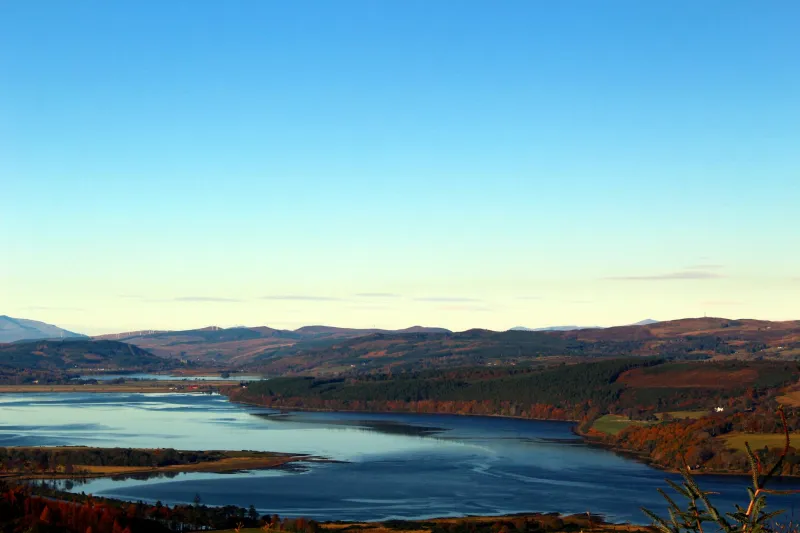
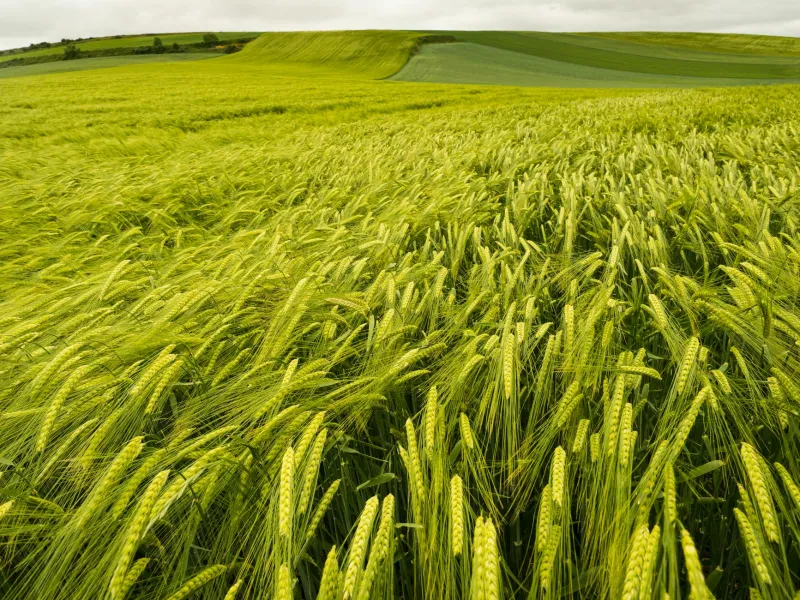
The story begins in the rolling farmland that surrounds our distillery, where generations of Galloway farmers have cultivated barley varieties perfectly suited to the region's temperate climate. The maritime influence from the nearby Solway Firth creates ideal growing conditions—mild temperatures, consistent rainfall, and rich, well-drained soils that produce barley with exceptional starch content.
Unlike the harsh Highland climate that can stress cereal crops, or the continental conditions found further north, Galloway's gentle weather allows barley to mature slowly and evenly. This extended growing season develops complex starches and proteins that become the building blocks of flavour in our finished whisky.
Our master distiller works closely with local farming cooperatives, selecting specific barley varieties based not just on yield, but on their contribution to flavour development. The Concerto and Propino varieties favoured in our region produce spirits with distinctly different characteristics—knowledge that has been refined through decades of collaboration between distillery and farm.
The Malting Process: Awakening the Grain
Whilst many distilleries rely on large commercial maltings, our approach maintains closer control over this crucial transformation. The malting process begins with steeping our carefully selected Galloway barley in the soft water drawn from our own spring. This water, filtered through layers of granite and sandstone, carries the mineral signature of our landscape into every grain.
During germination, enzymes within the barley convert starches into fermentable sugars. The temperature and humidity of our malting floors are carefully controlled to encourage even sprouting—a process that typically takes four to six days. The gentle warmth of our kilns, fired with a precise blend of fuels, halts germination at exactly the right moment, preserving the enzymes whilst developing the biscuity, honeyed notes that characterise Lowland malts.
Mashing: The Alchemy of Extraction
In our mash tun, the malted barley meets hot water in a carefully orchestrated dance of temperature and time. The soft, mineral-rich water from our local spring plays a crucial role here, extracting sugars efficiently without introducing harsh metallic notes that harder water might impart.
The resulting wort carries not just fermentable sugars, but a complex array of proteins, vitamins, and trace elements that will influence fermentation and, ultimately, flavour. Our traditional copper vessels, with their distinctive shape and size, create optimal conditions for this extraction, maintaining temperatures that maximise sugar yield whilst preserving delicate flavour compounds.
Fermentation: Where Terroir Meets Biology
Perhaps nowhere is our connection to place more evident than during fermentation. The wild yeasts that naturally occur in our Galloway environment contribute subtle but significant flavour notes that cannot be replicated elsewhere. These indigenous microorganisms, carried on the gentle breezes from surrounding farmland and woodlands, work alongside our carefully selected cultured yeasts to create fermentation profiles unique to our location.
Our wooden washbacks, crafted from Douglas fir, provide the perfect environment for this biological transformation. The wood's porous surface harbours beneficial bacteria and yeasts that contribute to fermentation complexity, creating a living ecosystem that has evolved over decades of whisky production.
Distillation: Capturing the Essence
Our copper pot stills, with their distinctive tall, narrow necks, reflect the gentle character of Lowland whisky-making. The relatively low temperatures and extended distillation times allow for maximum flavour extraction whilst maintaining the delicate, approachable character that defines our house style.
The cut points—those crucial moments when we separate the heart of the distillation from the heads and tails—are determined not by rigid formulas but by sensory evaluation. Our stillmen, drawing on generations of accumulated knowledge, taste and assess the spirit as it flows, making decisions that will define the character of each batch.
Maturation: Time and Place United
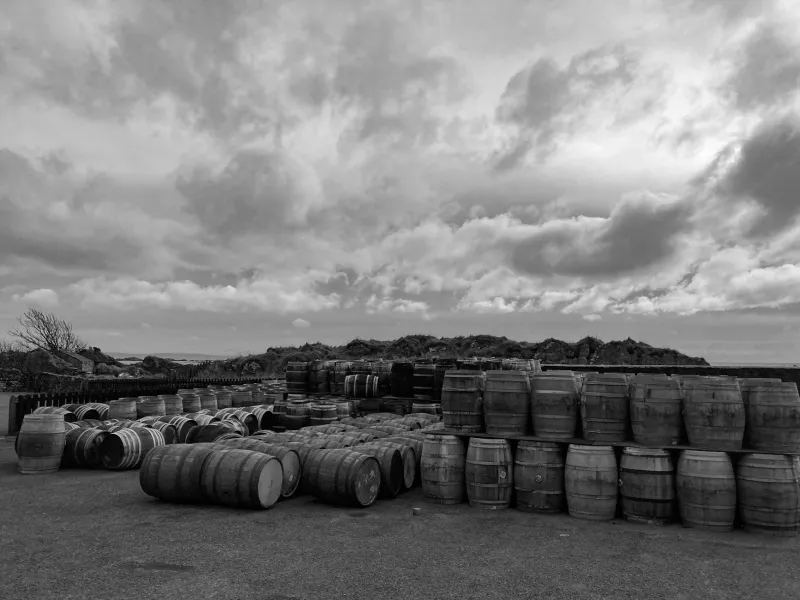
In our dunnage warehouses, built from local stone and situated to take advantage of the region's stable climate, our new-make spirit begins its long transformation. The consistent temperatures and high humidity of the Galloway coast create ideal conditions for maturation, allowing the spirit to interact gently with oak whilst avoiding the extreme temperature fluctuations that can stress the whisky.
The casks themselves—a mixture of American oak bourbon barrels and European oak sherry butts—are carefully selected to complement the character of our spirit. The angels' share, that portion lost to evaporation, carries with it the essence of our location, whilst the remaining spirit gradually develops the complexity and refinement that defines mature Bladnoch.
The Complete Circle
This grain-to-glass approach creates more than just whisky—it preserves a way of life and a connection to place that becomes increasingly precious in our globalised world. Every bottle of Bladnoch carries within it the story of Galloway: the soil, the water, the climate, and the hands that have shaped it from field to glass.
For the discerning whisky enthusiast, understanding this provenance adds layers of appreciation to each dram. It's the difference between drinking a product and experiencing a place—a distinction that lies at the heart of what makes Scotland's southernmost single malt truly exceptional.