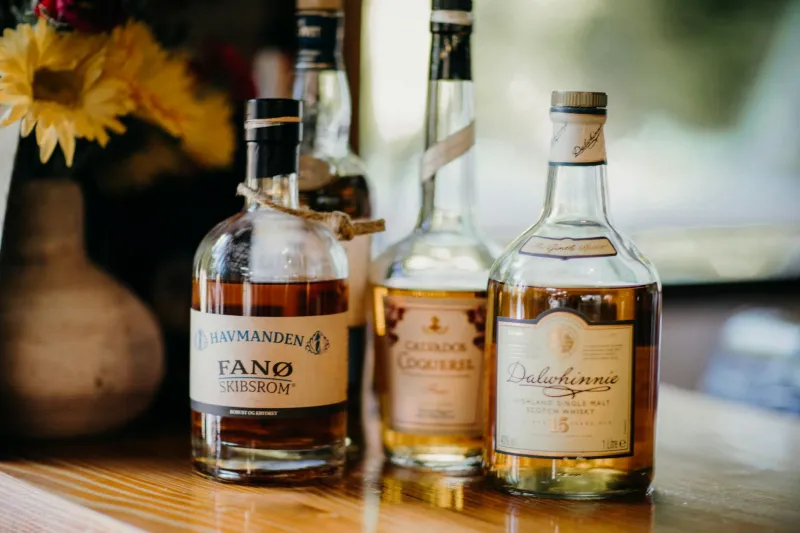
Standing in front of a whisky shelf—whether in our distillery shop, your local off-licence, or browsing online—can feel overwhelming. Each bottle displays an array of numbers, terms, and claims that seem designed to confuse rather than clarify. Yet every detail on a Bladnoch label is there for good reason, telling the story of what's inside and helping you make informed choices about your next dram.
Age Statements: More Than Just Numbers
When you see "15 Years" prominently displayed on a bottle of Bladnoch Adela, that number represents the minimum time the youngest whisky in that bottle has spent maturing in cask. This isn't marketing speak—it's a legal requirement that ensures transparency.
But here's what the label doesn't immediately tell you: age isn't automatically better. Our Bladnoch Samsara, which carries no age statement, contains whiskies of various ages blended to achieve a specific flavour profile. The master blender's skill lies in combining spirits of different maturities to create something greater than the sum of its parts.
Age statements also interact with our southern Scottish climate in interesting ways. Galloway's milder temperatures mean our whisky matures more gently than spirits aged in harsher climates. A 15-year-old Bladnoch might taste more approachable than a similarly aged Highland malt because our casks haven't endured the extreme seasonal variations found elsewhere in Scotland.
Cask Information: The Flavour Roadmap
Perhaps the most crucial information on any Bladnoch label concerns the casks used for maturation. When you see "Bourbon Barrel Matured" on our Vinaya expression, you're learning about the primary influence on that whisky's character. American oak bourbon barrels impart vanilla, honey, and subtle spice notes that complement Bladnoch's naturally light, elegant spirit.
Our Adela, finished in first-fill Oloroso sherry butts, tells a different story entirely. Those Spanish oak casks contribute rich fruit flavours, nutty complexity, and the deeper colour that makes this expression so visually striking. The term "first-fill" is particularly significant—it means these casks previously held sherry just once, ensuring maximum flavour transfer to the maturing whisky.
When labels mention "finish," they're describing a secondary maturation period. Our distillers transfer the spirit from its primary cask into a different type of wood for the final months or years of ageing. This technique allows precise flavour adjustment, adding complexity whilst maintaining the fundamental Bladnoch character.
ABV: Strength With Purpose
Alcohol by volume (ABV) tells you more than just how strong your whisky is. Our core expressions typically bottle at 46.7% ABV, a strength chosen deliberately rather than arbitrarily. This level preserves the whisky's full flavour profile whilst remaining approachable for most palates.
Higher-strength expressions like some of our limited releases might reach 50% ABV or beyond. These aren't showing off—they're preserving delicate flavour compounds that can be diminished by excessive dilution. If you find cask-strength whisky too intense, add a few drops of good water gradually until you reach your preferred strength.
The relationship between ABV and flavour is complex. Lower strengths can seem smoother initially but might lack the intensity that reveals a whisky's full character. Higher strengths carry more flavour compounds but require careful handling to avoid overwhelming the palate.
Natural Colour: Authenticity in Amber
When a Bladnoch label states "Natural Colour," we're making a commitment to authenticity. Many whiskies have caramel colouring (E150a) added to ensure consistent appearance between batches. We choose not to do this, accepting that our whisky's colour might vary slightly depending on the specific casks used.
This means each bottle of Bladnoch displays the genuine colour extracted from wood during maturation. Bourbon barrels typically produce pale gold hues, whilst sherry casks contribute deeper amber and copper tones. These natural variations tell the story of each whisky's unique journey from grain to glass.
The absence of artificial colouring also suggests other production choices. Distilleries committed to natural colour often apply the same philosophy to other aspects of whisky-making, avoiding shortcuts that might compromise flavour for convenience.
Non-Chill Filtration: Preserving Character
"Non-Chill Filtered" appears on many Bladnoch labels, indicating another choice made in favour of flavour over appearance. Chill filtration removes compounds that might cause whisky to turn cloudy when cold or diluted. Whilst this creates a clearer-looking dram, it can also strip away flavour compounds that contribute to complexity.
By avoiding chill filtration, we preserve these delicate elements even though the whisky might develop slight haziness when chilled or mixed with water. This cloudiness is harmless and actually indicates that more of the original flavour compounds remain intact.
Non-chill filtered whiskies often display greater texture and mouthfeel. You might notice our expressions feel slightly richer or more viscous than heavily filtered alternatives—that's the natural oils and proteins that contribute to a more complete tasting experience.
Reading Between the Lines
Beyond the technical specifications, Bladnoch labels often include tasting notes or serving suggestions. These aren't arbitrary marketing copy—they're guidance based on extensive tasting and evaluation. When we describe Samsara as offering "fresh citrus and green apple notes," we're highlighting flavours that most tasters will recognise.
However, remember that taste is subjective. Use our tasting notes as starting points for your own exploration rather than definitive descriptions. Your palate might detect flavours we haven't mentioned, or you might experience familiar notes in different intensities.
Making Informed Choices
Armed with this knowledge, you can approach whisky selection with greater confidence. Consider what flavours appeal to you, how you plan to drink the whisky, and whether you value traditional production methods over convenience factors like consistent colour.
A bottle of Bladnoch isn't just whisky—it's a story of Scottish craftsmanship, Galloway terroir, and careful attention to detail. Every element on the label contributes to that narrative, helping you understand not just what you're buying, but why it tastes the way it does.
Next time you're choosing a bottle, take a moment to read the complete story the label tells. You'll find that understanding these details enhances not just your purchasing decisions, but your appreciation of every dram that follows.