The Quiet Revolution in Scotland's South
For too long, the narrative of Scottish whisky has been dominated by the rugged romanticism of the Highlands and the maritime mystique of the Islands. Yet tucked away in the gentle rolling hills of Galloway, a different story has been unfolding since 1817—one that challenges the very foundations of what we expect from Scottish single malt.
Bladnoch Distillery occupies a unique position in Scottish whisky geography, not merely as Scotland's southernmost single malt producer, but as the standard-bearer for an entire regional style that operates by its own rules. Here, in the Lowlands, whisky-making follows a philosophy that prioritises elegance over intensity, finesse over force.
Geography as Destiny
The distinction between Scotland's whisky regions runs far deeper than mere marketing convenience. Each area's climate, water sources, and traditional production methods create distinctive flavour profiles that reflect their terroir—a concept borrowed from wine-making that proves equally relevant to whisky.
In the Highlands, distilleries contend with harsh winters and dramatic temperature swings that can impart robust, sometimes challenging characteristics to their spirits. Island distilleries face the constant influence of sea spray and peat smoke, creating whiskies that wear their maritime heritage proudly. The Speyside region, sheltered by mountains, produces whiskies of remarkable complexity but often with a certain austerity.
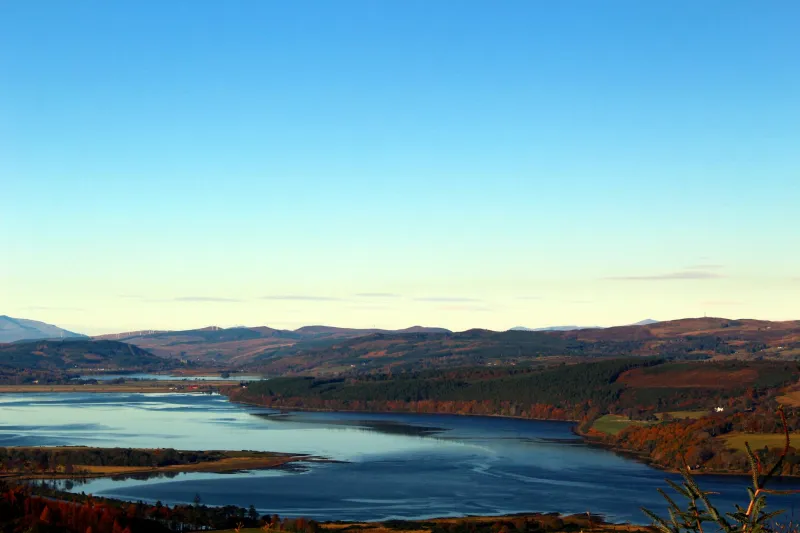
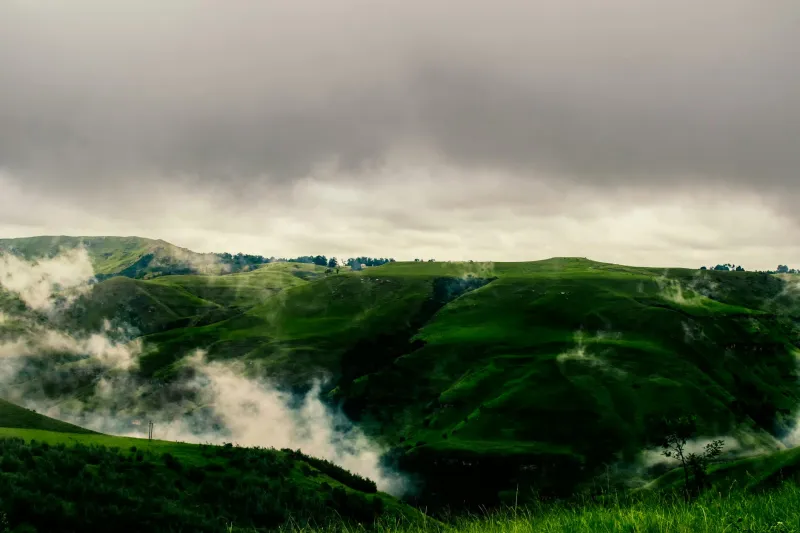
The Lowlands, by contrast, enjoy Scotland's most temperate climate. Here, barley grows in abundance across fertile fields, whilst gentle breezes carry none of the salt spray that defines coastal distilleries. This benevolent environment allows for a more nuanced approach to whisky-making, where subtlety can flourish without being overwhelmed by dramatic external influences.
The Bladnoch Difference
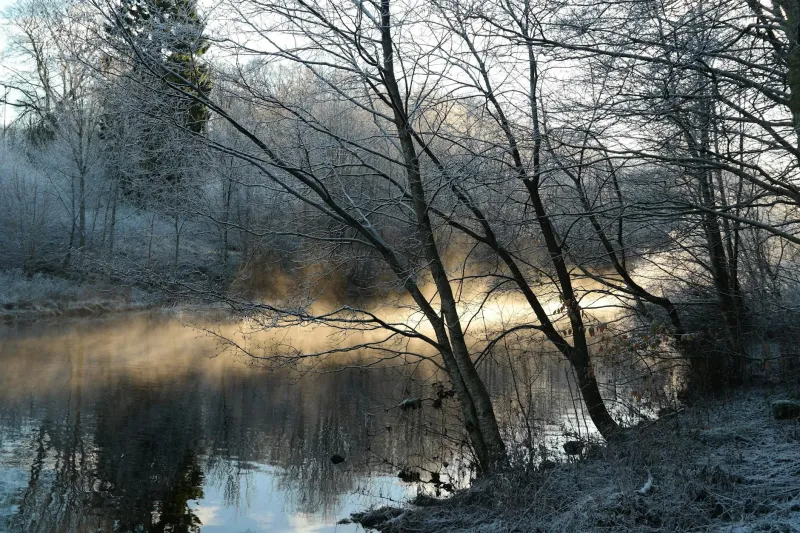
At Bladnoch, our southern latitude brings advantages that extend well beyond climate. The River Bladnoch itself provides water of exceptional purity, filtered through ancient granite and flowing at a steady pace that has remained unchanged for centuries. This consistency—in water quality, in temperature, in seasonal variation—allows for a precision in whisky-making that would be impossible in Scotland's more volatile regions.
Our copper pot stills operate at lower temperatures than many Highland distilleries, a practice that preserves the delicate fruit and floral notes that might otherwise be lost to more aggressive distillation. The result is a spirit that captures the essence of Galloway itself: gentle yet complex, approachable yet sophisticated.
Challenging Preconceptions
The common perception that Scottish whisky must be peated, smoky, or aggressively flavoured stems largely from the dominance of Highland and Island expressions in the global market. Yet this represents only one facet of Scotland's whisky heritage. The Lowlands have always marched to their own drum, producing whiskies that prioritise balance and drinkability over shock value.
This approach requires considerable skill and confidence. Without the masking effects of heavy peat smoke or the dramatic flavour contributions of coastal ageing, every aspect of production must be executed flawlessly. The distiller cannot hide behind intensity; instead, they must craft something that reveals new layers with each sip whilst remaining immediately appealing to newcomers.
A Tradition of Innovation
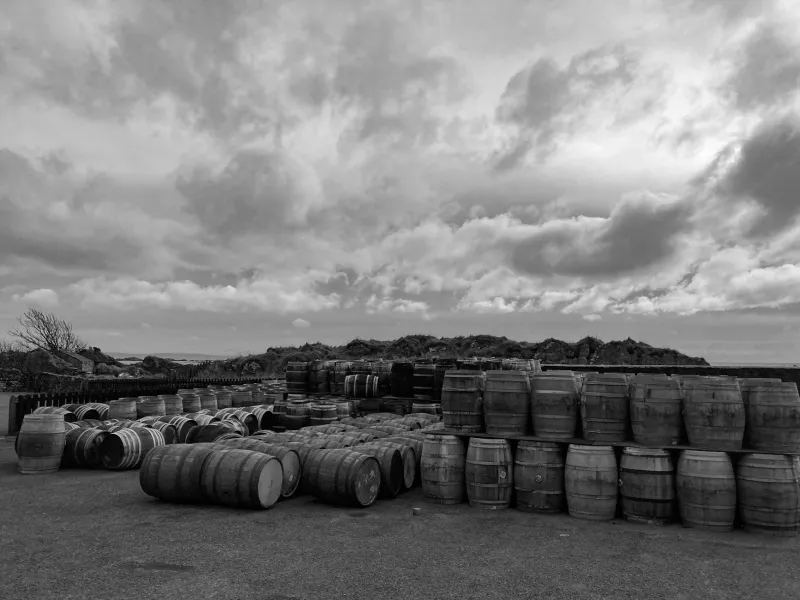
Since 1817, Bladnoch has embodied this Lowland philosophy whilst adding our own innovations. Our southernmost position has allowed us to develop relationships with local farmers that extend back generations, ensuring a supply of barley that meets our exacting standards. Our warehouses, built to take advantage of Galloway's stable climate, create ideal conditions for the slow, steady maturation that defines our house style.
Perhaps most importantly, our distance from Scotland's other whisky-producing regions has fostered a culture of independence. We've never felt pressure to conform to Highland traditions or Island conventions. Instead, we've spent over two centuries perfecting our own approach—one that celebrates the unique advantages of our southern Scottish home.
The Future of Lowland Excellence
As the global whisky market becomes increasingly sophisticated, discerning drinkers are discovering what we've known for generations: that Scotland's whisky story extends far beyond the familiar narratives of peat and storm. The Lowlands offer something different—whiskies that invite contemplation rather than conquest, that reward patience rather than bravado.
From our vantage point in Galloway, we see the future of Scottish whisky as one that embraces diversity rather than conformity. The southernmost dram isn't trying to compete with Highland intensity or Island drama; it's offering something altogether more refined—a whisky that speaks of place with quiet confidence, that proves sophistication need not shout to be heard.
In an industry often dominated by folklore and marketing hyperbole, Bladnoch represents something increasingly rare: authenticity rooted in geography, tradition tempered by innovation, and above all, the quiet confidence that comes from knowing exactly what you are and why that matters.